
Number of operational EVs in India likely to cross 28 mn mark in 2030: IESA
India continues to make significant and sustained inroads in its decarbonization journey, with rapid increase in sales of EVs, supported by demand and supply incentives
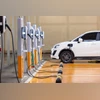 "Number of operational EVs in India likely to cross 28 mn mark in 2030: IESA")
Explore Business Standard

Associate Sponsors
Co-sponsor
India continues to make significant and sustained inroads in its decarbonization journey, with rapid increase in sales of EVs, supported by demand and supply incentives
The total number of operational electric vehicles (EVs) in India is likely to cross the 28 million-mark by 2030 fuelled by increasing demand and incentives, the India Energy Storage Alliance (IESA) said in a report.
India continues to make significant and sustained inroads in its decarbonization journey, with rapid increase in sales of EVs, supported by demand and supply incentives, growing consumer demand, and a focus on developing charging infrastructure, IESA said in a statement.
The outlook for electric vehicle sales continues to be positive, driven by increasing environmental awareness, customer interest, advancements in battery technology, and readily available and easily accessible EV charging infrastructure, it said.
India's cumulative electric vehicle (EV) sales crossed 4.1 million units in the fiscal year 2023-2024.
IESA, a leading alliance focussed on e-mobility, energy storage, and hydrogen, forecast that the cumulative number of EVs in operation will likely cross 28 million units in 2030, generating significant demand for energy from the grid.
It is projected that 83 per cent of the annual sales would be electric two-wheelers, 10 per cent would be electric four-wheelers, and commercial vehicles such as trucks, buses, and three-wheelers contributing to 7 per cent of sales, it stated.
Vinayak Walimbe, Managing Director at Customized Energy Solutions Pvt Ltd India, and President (Interim), IESA, emphasised, "India has witnessed a substantial rise in the electricity consumption, reaching 1,543 TWh in 2023-24 (7 per cent increase over last year)." He noted that according to the Central Electricity Authority (CEA), electricity consumption at public charging infrastructure was 465 GWh during April-October 2024, which has more than doubled compared to 204 GWh in 2022-2023.
Additionally, he said that with the majority of EV users opting for the convenience of home charging, IESA estimate of energy demand for EV charging in FY 2024-2025 is 4,000 GWh and it is likely to increase to 38 TWh by FY32 with maximum power demand estimated at 366.4GW.
According to the IESA report, the total installed capacity in the country is required to grow from 466 GW in January 2025 to 900 GW by 2032.
This includes 500 GW of renewable sources, wind, small hydro, and others (from 165 GW installed capacity in Jan 2025), it said.
(Only the headline and picture of this report may have been reworked by the Business Standard staff; the rest of the content is auto-generated from a syndicated feed.)
First Published: Feb 20 2025 | 8:10 PM IST

