Epsilon to set up 30K tonne per annum graphite anode plant in 1st phase

The move will help in tiding over the new stringent restrictions imposed by China on transfer of technology and processes of making battery materials
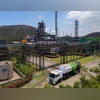
Epsilon Advanced Materials
The plant will be set up with an investment of ₹4,000 crore. (Image: Epsilon Advanced Materials)
Surajeet Das Gupta New Delhi
4 min read Last Updated : Oct 16 2025 | 12:06 AM IST
Mumbai-based Epsilon Advanced Materials is setting up a 30,000 tonne per annum synthetic graphite anode material plant in India in its first phase, starting March next year, for lithium iron phosphate (LFP) and nickel manganese cobalt (NMC) batteries used in the automobile industry. 
The plant will be set up with an investment of ₹4,000 crore. 
The move will help in tiding over the new stringent restrictions imposed by China on transfer of technology and processes of making battery materials like synthetic graphite as well as export of machines required to manufacture them, as part of its recently announced export control orders. 
“We already have a graphite materials plant with a 2,000 tonne per annum in Vijaynagar and it is the largest non-Chinese plant. China has plants which churn out 2.5 million tonne per annum and no one has built one, and despite signs of restriction, everyone is buying from China. We have been working for the last two years and have developed vendors outside of China from India and Japan for building the machines required to build a larger plant. They are slightly costlier and take more lead times, but we are not dependent on China,” Vikram Handa, managing director of Epsilon, said. 
Handa said that they already have their IPs for making the anode and cathode materials and the proposed plant will have 60 per cent of the machines from non-China sources. However, the capex would be 5-8 per cent higher than that available in China. The company has already locked in 10,000 tonnes of graphite with a global company and is looking at selling 5,000 tonne per annum in India, as the demand in the country, where cell manufacturing is just starting out, will take time to take off.
However, Handa said that there are serious challenges. 
“The restrictions put by China will impact India, US and Japan the most. Most buyers ask for matching the price of China or they import, which is not possible as we are making upfront investments in India for which the government does not have any subsidy scheme or a PLI for battery materials to provide upfront support. As a result, we cannot match China prices,” he said.
He also said that many Indian companies who have been looking at setting up lithium refinery plants now face a challenge. “Under the Chinese new rules, they won’t be able to acquire either the technology or the machines needed to make it. So, imports are the only option.” 
Secondly, the technology for making battery grade iron phosphate, which goes into making the LFP battery that will determine the efficiency of an EV-technology, has now been restricted. So, while the machines are available in the US and Germany, they are two to three times more expensive and their operating costs are higher than China.
Epsilon sees a clear move around the globe and in India of battery technology shifting from NMC to LFP. In China, for instance, 50 per cent of the electric vehicles are on LFP.  
 
The reason, he said, is simple- “LFP is 10 per cent less efficient than NMC, but in terms of cost, it is 50 per cent lower. We already see it in buses and cars. Low-end cars are already on LFP, while premium cars are still on NMC and in two-wheelers, it is divided amongst the two.” 
On the cards
  • The plant will be set up with an investment of ₹4,000 crore
  • It will help in tiding over restrictions imposed by China on transfer of technology and processes of making battery materials 
  • The firm has already locked in  10,000 tonnes of graphite with a global company
 

One subscription. Two world-class reads.

Already subscribed? Log in

Subscribe to read the full story →
*Subscribe to Business Standard digital and get complimentary access to The New York Times

Smart Quarterly

₹900

3 Months

₹300/Month

SAVE 25%

Smart Essential

₹2,700

1 Year

₹225/Month

SAVE 46%
*Complimentary New York Times access for the 2nd year will be given after 12 months

Super Saver

₹3,900

2 Years

₹162/Month

Subscribe

Renews automatically, cancel anytime

Here’s what’s included in our digital subscription plans

Exclusive premium stories online

  • Over 30 premium stories daily, handpicked by our editors

Complimentary Access to The New York Times

  • News, Games, Cooking, Audio, Wirecutter & The Athletic

Business Standard Epaper

  • Digital replica of our daily newspaper — with options to read, save, and share

Curated Newsletters

  • Insights on markets, finance, politics, tech, and more delivered to your inbox

Market Analysis & Investment Insights

  • In-depth market analysis & insights with access to The Smart Investor

Archives

  • Repository of articles and publications dating back to 1997

Ad-free Reading

  • Uninterrupted reading experience with no advertisements

Seamless Access Across All Devices

  • Access Business Standard across devices — mobile, tablet, or PC, via web or app

Topics :Industry NewsLithium batteryBattery makers

Next Story


