Germany's net-zero plan for old vehicles

Carbon-neutral synthetic fuels for existing internal combustion vehicles can revolutionise the future of transportation
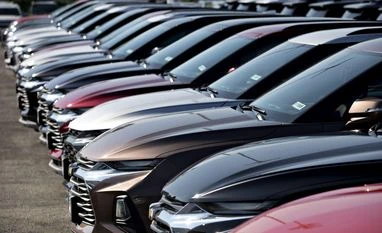
Passenger vehicle, cars
Photo: Bloomberg
Devangshu Datta
4 min read Last Updated : Jun 16 2023 | 9:37 PM IST
Germany put forward an interesting proposal when the EU was debating legislation to ensure only zero-emission vehicles would be on European roads by 2035. Instead of retiring every internal combustion vehicle in the EU, Germany proposed a switch to carbon-neutral synthetic fuels for existing internal combustion vehicles.

While electric vehicles (and hydrogen-fuel cells) are zero-emission, they are certainly not zero-carbon to make. The mining and refining of lithium, other metals and rare earths, as well as producing the plastic and composite material components used, have big environmental impacts.

Around 90 per cent of the world’s vehicles — some 2 billion — will still be internal combustion around 2030. Retiring and replacing those will not be zero-carbon. Making an internal combustion (IC) vehicle and making an electric vehicle (EV) has approximately the same environmental impact — with some calculations indicating EV manufacturing may have somewhat higher impacts.

The difference is, IC engines burn dirty fuels. Mining and refining crude, and natural gas, is carbon intensive and exhaust emission releases more carbon. But what if a carbon-negative fuel could be produced for IC engines such that the net carbon impact of the fuel cycle would be zero, or even negative?

Petrol, diesel, kerosene and CNG can be easily substituted by synthetic hydrocarbon fuels. In World War II, the Germans successfully manufactured synthetic petrol and diesel substitutes from coal. The chemistry consists of adding hydrogen (H2) to carbon dioxide (CO2) to create methyl alcohol (CH3OH). Methyl alcohol can be turned into synthetic fuel, for use in IC engines without major modification.

Now, here are the environment friendly twists that could make this option worth considering in the 21st century.

Ambient carbon dioxide may be captured and isolated from the atmosphere, which would make this part of the fuel production process carbon-negative. Hydrogen can be produced by running a current through water. If that current is produced via green means, it minimises environmental impacts.

Net –net it’s conceivable that making synthetic fuel could be carbon negative. If the carbon emissions from this synthetic fuel are less than the carbon captured during the process, the environmental equation might be beneficial. Even if there is net carbon release, it may be less than the carbon impact of producing hundreds of millions of EVs.

Porsche, Toyota and several other auto majors are exploring these synthetic fuel options. One big push could come from motor-racing, which is looking to switch to synthetic fuels. Formula 1, 2 and 3 are all looking at synthetic fuels.

Legislatively, Germany has used its political muscle to get this concession considered at least provisionally, and Japan is also looking at synthetic options. Various energy majors, such as Aramco and ExxonMobil, are looking at making their own versions of synthetic fuels. This makes sense since they already possess the marketing and distribution links right down to retail reach via petrol pump chains.

The economics of this would be complex. First, the fuel may be expensive in comparison to “vanilla” refinement of petrol, diesel, etc. However, production costs would also reduce with scale and access to cheap, green electricity. Places like Iceland, with its geothermals, or Chile, which has high wind-power potential, could become fuel production centres. Chile indeed, is where Porsche has located its first fuel production facility.

The engineering challenges are formidable though because carbon capture is not, at the moment, a very efficient process. Nor is there sufficient scale when it comes to green hydrogen electrolysis and this would need to ramp up a lot. It’s worth noting that effective carbon capture mechanisms would be useful in and of themselves, as would green hydrogen capacity. So investment in R&D and rollout at scale would be useful.

If this concept gets off the ground and works economically, it would change future transportation value chains considerably. EVs are surely here to stay. But they may co-exist with hybrids and conventional internal combustion for a very considerable period.

One subscription. Two world-class reads.

Already subscribed? Log in

Subscribe to read the full story →
*Subscribe to Business Standard digital and get complimentary access to The New York Times

Smart Quarterly

₹900

3 Months

₹300/Month

SAVE 25%

Smart Essential

₹2,700

1 Year

₹225/Month

SAVE 46%
*Complimentary New York Times access for the 2nd year will be given after 12 months

Super Saver

₹3,900

2 Years

₹162/Month

Subscribe

Renews automatically, cancel anytime

Here’s what’s included in our digital subscription plans

Exclusive premium stories online

  • Over 30 premium stories daily, handpicked by our editors

Complimentary Access to The New York Times

  • News, Games, Cooking, Audio, Wirecutter & The Athletic

Business Standard Epaper

  • Digital replica of our daily newspaper — with options to read, save, and share

Curated Newsletters

  • Insights on markets, finance, politics, tech, and more delivered to your inbox

Market Analysis & Investment Insights

  • In-depth market analysis & insights with access to The Smart Investor

Archives

  • Repository of articles and publications dating back to 1997

Ad-free Reading

  • Uninterrupted reading experience with no advertisements

Seamless Access Across All Devices

  • Access Business Standard across devices — mobile, tablet, or PC, via web or app

More From This Section

Disclaimer: These are personal views of the writer. They do not necessarily reflect the opinion of www.business-standard.com or the Business Standard newspaper

Topics :GermanyEuropean UnionCarbon emissions

Next Story



