A novel class of plant-based beverages, mimicking normal milk and termed fancifully, yet aptly, “vegan milk”, are steadily gaining popularity the world over, including India. Dairymen are, however, reluctant to equate them with bovine milk, which, they maintain, has some unmatchable attributes. Made from a variety of plant sources, such as soybean, almond, rice, cashew, oat, coconut, walnut, peanut, and hemp seed, these fabricated milk substitutes are deemed suitable for people suffering from lactose intolerance, allergy to dairy milk, or high blood cholesterol, which exacerbates the risk of heart ailments and strokes. These are also preferred to regular milk by health freaks who want nutritious products low in fat and calories. These are most prevalent in regions where milk supplies are meagre.
Among the types of vegan milk available in the market, the most common ones are soy, almond, cashew, oat, and coconut milk. Each of these has a distinctive nutritional profile to suit the discriminating consumers. Soy milk, for instance, is a rich source of protein, lipid, and carbohydrate. In terms of calories and protein content (7-9 per cent), it is almost similar to a cow’s milk. Almond milk contains more unsaturated fat than saturated ones, and is, therefore, considered suitable for weight-conscious people. Coconut milk, made from the coconut’s white meat and water, has a high content of fat but very little protein and carbohydrate. Oat milk, on the other hand, has dietary fibre, which is good for digestion and for managing blood cholesterol and sugar.
However, notwithstanding such virtues of the plant-based beverages, dairy scientists have reservations about labelling them “milk”. They argue that “milk” is a well-defined term reserved for secretion from the mammary glands of animals, including human beings. Even the internationally recognised code for food standards, formulated by the United Nations-backed Codex Alimentarius Commission, describes milk as “the normal mammary secretion, without any addition or extraction, intended for consumption as liquid milk or for further processing”. The term vegan milk is, thus, a misnomer, the animal husbandry pundits maintain.
A policy paper titled “Milk vs Plant-Based Dairy Analogues: Myths and Facts”, brought out by the National Academy of Agricultural Sciences (NAAS) in April last year, states that plant-based beverages should not be dubbed “milk”, “milk substitutes”, or “milk analogues”. These can seldom match the food matrix of normal milk even after fortification with various nutrients. Milk from cattle, buffaloes, and other species, such as goats, sheep, camels, and mares, consumed by human beings for ages, is a complex mixture of more than 500 biologically active macronutrients and micronutrients, which play a significant role in human nourishment, besides having various therapeutic traits. Milk is nearly a complete food for human growth and the maintenance of body systems. “The demand for plant-based milk substitutes does not arise out of necessity, but rather out of the pursuit for more affordable and fancy food sources,” the NAAS paper points out.
Nevertheless, the market for vegan milk, as determined by the demand-supply dynamics, has already acquired sizable dimensions at domestic and global levels, and continues to expand further. The growth has been much faster in the United States, Europe, and the developed countries of the Oceanic regions than in other parts of the world. GlobalData, an international business information firm, expects the Indian market for milk alternatives to swell by 6-8 per cent a year between 2023 and 2027. Another body, the International Market Analysis Research and Consulting Group (IMARK), is even more optimistic on this count. It estimates the present worth of India’s vegan-milk market at around $855.51 million, and projects it to rise annually by over 10 per cent to reach $2,166.30 million by 2033. The global market of these milks, on the other hand, is reckoned to have burgeoned from $11.16 billion in 2018 to $19.67 billion in 2023, showing an annual growth rate of 12 per cent. The chief growth-drivers are the milk types made from soy, almond, oat, coconut, and rice.

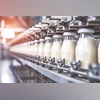 "Milk that has its source in soil: The growing popularity of 'vegan milk'")












