Once a showcase of China’s economic ascent, Beijing’s upscale dining and nightlife scene is fading into the shadows. Amid a widespread economic slowdown and shifting consumer habits, a new trend is emerging—that of unlicensed “home bars” hidden inside residential apartments, offering low-cost cocktails and casual gatherings in place of glittering five-star evenings.
According to a recent report by the Financial Times, this underground shift reflects a growing preference for affordability and privacy among Beijing’s white-collar professionals, whose incomes have taken a hit from ongoing government crackdowns on the property, internet, and education sectors.
Economic crackdowns reshape urban consumption in China
Beijing’s luxurious restaurant and nightlife ecosystem, once dominated by clients from finance, real estate, tech, and advertising, is now facing an exodus. Sharp cuts in bonuses, shrinking salaries, and widespread layoffs have left the urban middle class more cautious, with many abandoning high-end restaurants in favour of home-cooked meals or discreet apartment-based bars.
According to data from the Beijing Municipal Bureau of Statistics, as cited by FT, catering sector profits plunged by 81 per cent year-on-year in 2024. Though losses narrowed slightly in early 2025—RMB 52 million in Q1 compared to RMB 454 million during the same period last year—overall sales remain in decline.
Home bars offer escape, affordability, and intimacy
In the shadow of this downturn, a growing number of home-based bars have emerged, often run by couples or small groups of friends. Operating out of converted apartments and informal setups, these bars offer craft cocktails at half or even a third of the cost of traditional venues. From quirky “Hotpot Coffee” concoctions to all-you-can-drink whisky nights priced at RMB 199, these intimate spaces promise a curated experience for those unwilling to spend on upscale alternatives.
The sentiment extends beyond dining. Some home bars are even catering to Beijing’s singles with themed matchmaking nights, offering an affordable and casual space to socialise in a society where dating has been in decline—a trend underscored by a recent China Population Daily survey in which 57 per cent of college students expressed no interest in relationships.
Upscale restaurants in Beijing feel the heat
At the other end of the spectrum, Beijing’s once-thriving upscale restaurants are under immense pressure. Restaurateurs across high-end Japanese fusion spots, trendy bistros, and regional Chinese eateries reported sharp drops in average spend, fewer wine orders, and a noticeable shift toward takeaways or cooking at home, FT noted.
Citing an upscale restaurant owner, the report noted that average per-table revenue has halved, while bottle sales—once 15 to 20 per day—now barely cross five, often at much lower price points. In Sanlitun, one of the city’s most affluent dining zones, even wine by the glass is under scrutiny as customers gravitate toward discounts.
The oversupply of new restaurants, particularly in Beijing’s proliferating malls, is also deepening the crisis. More options are now chasing fewer, frugal customers—a combination that is turning survival into a daily challenge for the formal sector.
Middle-class incomes shrink, social habits shift
Income declines in core white-collar industries have been staggering. Workers in the finance and internet sectors, previously mainstays of the city’s nightlife economy, are reportedly earning 40 to 70 per cent less than before, according to industry sources cited by FT. With their disposable income eroded, even loyal patrons of the city’s fine-dining establishments are opting out—not for lack of interest, but in pursuit of better value for money.
However, despite the enthusiasm, operating unlicensed home bars remains legally precarious. Hosts face the risk of neighbourhood complaints and surprise police raids. Several home bar owners have already shut down after run-ins with authorities or after being reported by wary residents. Others operate just a few nights a week to stay under the radar and keep costs low.
Even so, the popularity of these makeshift lounges suggests a broader recalibration underway in China’s urban leisure culture—one where extravagance is mirroring the underwhelm of the economy, and public spectacle is giving way to private intimacy.

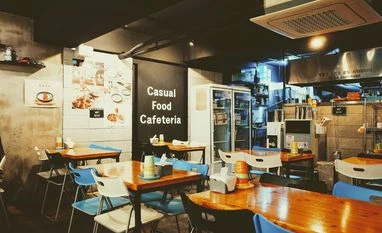 "As incomes shrink, Beijing's nightlife shifts behind closed doors")


 Connect with us on WhatsApp