
US strikes on Iran spark global concern, calls for restraint, diplomacy
UN Secretary General Antonio Guterres said he was gravely alarmed by the use of force by the United States
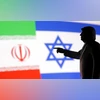 "US strikes on Iran spark global concern, calls for restraint, diplomacy")
WebinarsNew
Deep DiveNew
Explore Business Standard
UN Secretary General Antonio Guterres said he was gravely alarmed by the use of force by the United States
The US strike on Iran fuelled fears that Israel's war with Tehran could escalate to a wider regional conflict, and other countries began reacting Sunday with calls for diplomacy and words of caution.
President Donald Trump had said Thursday that he would decide within two weeks whether to get involved. In the end, it took just days to decide, and Washington inserted itself into Israel's campaign with its early Sunday attack.
It remained unclear early how much damage had been inflicted, but Iran had pledged to retaliate if the US joined the Israeli assault.
Some have questioned whether a weakened Iran would capitulate or remain defiant and begin striking with allies at US targets scattered across the Gulf region.
Here is a look at reaction from governments and officials around the world.
UN Secretary General Antonio Guterres said he was gravely alarmed by the use of force by the United States.
There is a growing risk that this conflict could rapidly get out of control with catastrophic consequences for civilians, the region, and the world, he said in a statement on the social media platform X. I call on Member States to de-escalate.
There is no military solution. The only path forward is diplomacy.
New Zealand Foreign Minister Winston Peters urged all parties to return to talks.
He wouldn't tell reporters Sunday whether New Zealand supported President Trump's actions, saying they had only just happened.
The three-time foreign minister said the crisis is the most serious I've ever dealt with" and that critical further escalation is avoided.
Diplomacy will deliver a more enduring resolution than further military action, he said.
A flash commentary from China's government-run media asked whether the US is repeating its Iraq mistake in Iran.
The online piece by CGTN, the foreign-language arm of the state broadcaster, said the US strikes mark a dangerous turning point.
History has repeatedly shown that military interventions in the Middle East often produce unintended consequences, including prolonged conflicts and regional destabilization, it said, citing the American invasion of Iraq in 2003.
It said a measured, diplomatic approach that prioritizes dialogue over military confrontation offers the best hope for stability in the Middle East.
Japan's Prime Minister Shigeru Ishiba is expected to hold a meeting with key ministers Sunday afternoon to discuss the impact from the US attack on Iranian nuclear facilities, according to Japan's NHK television.
Japan's largest-circulation newspaper Yomiuri is distributing an extra edition on the attack in Tokyo.
South Korea's presidential office said it would hold an emergency meeting Sunday to discuss the security and economic ramifications of the US strikes and potential South Korean responses.
Australia, which shuttered its embassy in Tehran and evacuated staff Friday, continued to push for a diplomatic end to the conflict.
We have been clear that Iran's nuclear and ballistic missile programme has been a threat to international peace and security, a government official said in a written statement. We note the US President's statement that now is the time for peace.
The security situation in the region is highly volatile. We continue to call for de-escalation, dialogue and diplomacy.
(Only the headline and picture of this report may have been reworked by the Business Standard staff; the rest of the content is auto-generated from a syndicated feed.)
First Published: Jun 22 2025 | 11:50 AM IST

