


Fake-believe canvases
One of the gravest concerns among collectors is the lack of a platform, or authority, to which one can turn should one want a work authenticated, or a dispute resolved
 "paintings, exhibitions")
premium
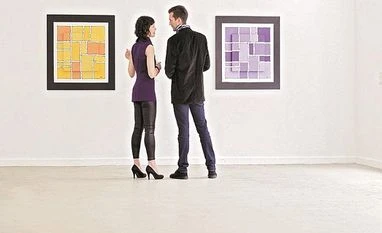
Photo: istock
As in every industry, the art world has its share of charlatans, a handful of people who can sometimes muddy the waters and give it a bad name and poor reputation. But you can’t dismiss a cart full of fruit because of one rotten apple. Financial institutions acknowledge that art is an asset class in its own right but are sometimes wary of pushing it to their HNI clients because they are not informed enough, or confident enough, of its intrinsic investable value. Yet, as we have seen, time and again, there are enough examples to show how a Rs 5,000 value painting has delivered Rs 20 crore several decades on. This columnist knows sufficient collectors who have seen their valuations soar as prices harden on grounds of rarity and provenance, among other esteemable qualities, not least of which is the excellence of the work itself.
One of the gravest concerns among collectors is the lack of a platform, or authority, to which one can turn should one want a work authenticated, or a dispute resolved. There is no gainsaying that as values of art have risen, so has the malarkey of faking. There is no more attractive proposition for fly-by-night dealers who don’t shy away from duping customers by peddling fakes. Unfortunately, few collectors are well versed in the complexities of recognising a genuine work from a fake, and fall for the lure of a “bargain”. But failing to have the work authenticated at the highest levels — by the artist, his estate, by experts (this, too, can open a can of worms), scholars (ditto), other gallerists and dealers — is taking a chance. But, just as you wouldn’t buy land, or property, without the appropriate due diligence, so too, paintings must not be bought at face value alone.
This means the work itself must be authenticated and provenances should be scrutinised through a magnifying lens. A provenance needs most of all to be proven. Dealers may want to protect their sources but can provide adequate proof of the veracity of their claims. Are there photographs of the work in the said person’s home? Documents? While such documentation may not have had a role in the past, evidence is somewhat easier to gather than harder. Does the history provided by the seller sound kosher? I believe too much information is as suspect as too little information in this regard.
One of the gravest concerns among collectors is the lack of a platform, or authority, to which one can turn should one want a work authenticated, or a dispute resolved. There is no gainsaying that as values of art have risen, so has the malarkey of faking. There is no more attractive proposition for fly-by-night dealers who don’t shy away from duping customers by peddling fakes. Unfortunately, few collectors are well versed in the complexities of recognising a genuine work from a fake, and fall for the lure of a “bargain”. But failing to have the work authenticated at the highest levels — by the artist, his estate, by experts (this, too, can open a can of worms), scholars (ditto), other gallerists and dealers — is taking a chance. But, just as you wouldn’t buy land, or property, without the appropriate due diligence, so too, paintings must not be bought at face value alone.
This means the work itself must be authenticated and provenances should be scrutinised through a magnifying lens. A provenance needs most of all to be proven. Dealers may want to protect their sources but can provide adequate proof of the veracity of their claims. Are there photographs of the work in the said person’s home? Documents? While such documentation may not have had a role in the past, evidence is somewhat easier to gather than harder. Does the history provided by the seller sound kosher? I believe too much information is as suspect as too little information in this regard.
Photo: istock