


Gender relations took centre stage in 2018 as media faced MeToo scrutiny
Are we doing enough to keep women going? Are workplaces safe?
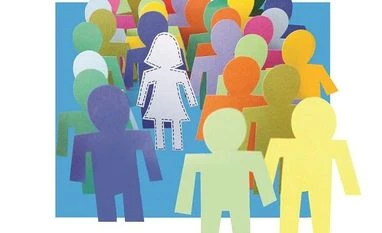 "me too, sexual harassment+")
premium
Me-too. They are two very normal and small words. Yet, when they combine, they have come to evoke power. 2018 in many respects was a watershed year for the movement in India and for the advertising industry, in particular. Many allegations were made and many were proven too. The movement saw a few heads, including some prominent ones, roll as a result.
Sexual harassment has never been an easy topic to either discuss or dissect, leave aside tackle with sensitivity. In hindsight what me-too has done is liberate women to speak up about sexual harassment at the workplace, forcing stakeholders to take stock of the situation. It has quite simply given a voice, helping people in an organisation understand the issues from the perspective of the women grappling with the problem.
What I find interesting is that me-too has forced many to assess their own actions and ensure they are not, advertently or inadvertently, supporting workplace harassment. Employers can no longer look the other way when an individual is subjected to behaviour that makes her uncomfortable and she complains about it.
Sexual harassment has never been an easy topic to either discuss or dissect, leave aside tackle with sensitivity. In hindsight what me-too has done is liberate women to speak up about sexual harassment at the workplace, forcing stakeholders to take stock of the situation. It has quite simply given a voice, helping people in an organisation understand the issues from the perspective of the women grappling with the problem.
What I find interesting is that me-too has forced many to assess their own actions and ensure they are not, advertently or inadvertently, supporting workplace harassment. Employers can no longer look the other way when an individual is subjected to behaviour that makes her uncomfortable and she complains about it.