


Covid second wave: MSMEs need help again but not the way govt did last time
While players in the financial ecosystem are opening up to the idea of receivables funding for the sector, this market needs a regulator, which a Parliament panel feels only RBI can provide
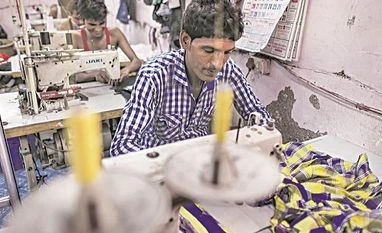 "Garment, textile, business, MSME, sme, workers, jobs, employee, labour, manufacturing, local, economy")
premium
Valuations of payment gateways for the micro, small and medium enterprises (MSME) are shooting up. These gateways offer bundled services to the MSMEs which include not just receiving payments but also inventory management to help with keeping tax records. As customers even from mid income groups switch to digital payments for dealing with small shops to roadside vegetable traders, the business for the gateways has boomed.
This could be surprising as the package of measures to help the MSMEs last year have made little headway. The “Fund of Funds” has not got even one financial institution interested to give it a shot.
In the middle of the second Covid wave, Instamojo absorbed a tech company primarily to build up skills to better cover the 64 million odd MSMEs of India. Other payment gateways like Paytm, Razorpay, CCAvenue are all stretching into the same business turf.
Yet, less than a year after suffering the first Covid pandemic, thousands of MSME units are again facing devastation from the next one. The duration of the crisis may be bunched up this time but it shall certainly leave far more wrecks than the first wave. The sector contributes nearly a third of the Indian GDP (31.66 per cent of the gross value add) and totes up more than 10 million in employment. Any shake up here exacerbates inequality like no other sector of the economy, except possibly agriculture.
MSMEs need a confidence booster
Business confidence of the MSMEs was already low. It has trailed that of the large firms through FY21, reported Bornali Bhandari, Senior Fellow at NCAER on the Business Confidence Survey, the think tank conducts. “It is a gap which widened further in the third quarter of the…financial year”.
Just weeks ago in early April, the central government had cleared an ordinance to allow “pre-packaged” insolvency for MSMEs. It was expected that the ordinance will encourage these small units to approach banks with far more confidence to reorder their business. They could begin life anew after seeing off the impact of Covid. Since the threshold level for coming under bankruptcy proceedings is Rs 1 crore of default, the prepackaged offer cuts under it. An MSME owner can offer her creditors a resolution plan before the latter moves the bankruptcy courts for recovery of money.
It is now conceivable that the ordinance may have to be put in abeyance for some time, while the ministry of corporate affairs takes stock of the damage to the sector. Else the pressure on the owners of these units could be intense as the banks try to protect their levels of NPAs.
This could be surprising as the package of measures to help the MSMEs last year have made little headway. The “Fund of Funds” has not got even one financial institution interested to give it a shot.
In the middle of the second Covid wave, Instamojo absorbed a tech company primarily to build up skills to better cover the 64 million odd MSMEs of India. Other payment gateways like Paytm, Razorpay, CCAvenue are all stretching into the same business turf.
Yet, less than a year after suffering the first Covid pandemic, thousands of MSME units are again facing devastation from the next one. The duration of the crisis may be bunched up this time but it shall certainly leave far more wrecks than the first wave. The sector contributes nearly a third of the Indian GDP (31.66 per cent of the gross value add) and totes up more than 10 million in employment. Any shake up here exacerbates inequality like no other sector of the economy, except possibly agriculture.
MSMEs need a confidence booster
Business confidence of the MSMEs was already low. It has trailed that of the large firms through FY21, reported Bornali Bhandari, Senior Fellow at NCAER on the Business Confidence Survey, the think tank conducts. “It is a gap which widened further in the third quarter of the…financial year”.
Just weeks ago in early April, the central government had cleared an ordinance to allow “pre-packaged” insolvency for MSMEs. It was expected that the ordinance will encourage these small units to approach banks with far more confidence to reorder their business. They could begin life anew after seeing off the impact of Covid. Since the threshold level for coming under bankruptcy proceedings is Rs 1 crore of default, the prepackaged offer cuts under it. An MSME owner can offer her creditors a resolution plan before the latter moves the bankruptcy courts for recovery of money.
It is now conceivable that the ordinance may have to be put in abeyance for some time, while the ministry of corporate affairs takes stock of the damage to the sector. Else the pressure on the owners of these units could be intense as the banks try to protect their levels of NPAs.