It is learnt that even though the subject is under forbearance (meaning market forces to operate), the government may intervene if the rise is ‘exorbitant’. The committee was set up after the companies announced their decision to raise tariffs.
“We will not interfere in their decision to raise tariffs but if the consumer is affected due to the increase we will intervene. The hike should not be such that the consumer cannot afford it and we will closely watch that,” a senior DoT official told Business Standard.
“If the hike is more than 20 per cent of current tariffs, we will be forced to intervene,” the official quoted above said.
If the hike is 10-15 per cent, it will not intervene.The Telecom Regulatory Authority of India (Trai) defines forbearance as allowing market forces to determine the rates mobile companies could set.
Under the forbearance policy, mobile companies have the flexibility to set tariffs for all the services except national roaming, fixed rural telephony, and leased lines.
Vodafone Idea and Bharti Airtel, on November 18, announced they will hike tariffs starting December 1.
The first telecom tariff hike in several years follows record second-quarter losses reported by Bharti Airtel and Vodafone Idea.
The telcos, however, did not provide any guidance on the extent of the hike or the subscriber segments to be affected by the move. Analysts see the hikes as a positive for the sector, which has only witnessed tariff cuts since the launch of Reliance Jio in September 2016.
Reliance Jio made a similar announcement the next day, November 19. The company also did not elaborate on the extent of the hike.
The financial stress in the sector has been acknowledged by all stakeholders and a committee of secretaries headed by the Cabinet secretary is looking at providing appropriate relief.
Adjusted gross revenue the telecom companies will have to pay the government, as directed by the Supreme Court recently, are estimated at Rs 1.33 trillion.


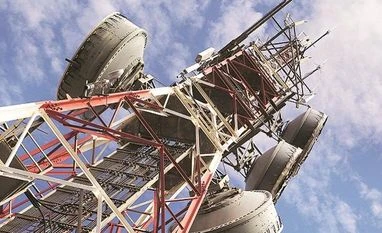 "DoT sets up committee to examine the impact of telecom tariff hikes")

