


A new tool for the war on fake luxury goods
Blockchain plays a key role in the mechanism to reduce counterfeiting
 "Rolex, watches")
premium
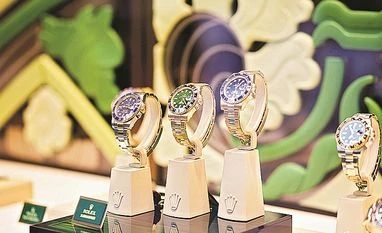
Rolex watches are displayed in a shop. Most counterfeiting isn’t happening on street corners in major cities; it is largely taking place on online marketplaces Photo: istock
Almost any recent reader of the business press could attest to the near-constant reporting and commentary about bitcoin’s underlying technology, known as blockchain. The conversation has focused almost exclusively on how businesses in the financial-services industries could benefit. So far, most of these conversations have been of little relevance to the rest of the business world.
That shouldn’t be the case, because blockchain, an independently validated, distributed and unalterable transaction ledger, has the potential to help all sorts of other industries, perhaps none more than retailing and manufacturing. Let’s consider just one problem these businesses face: vulnerability to counterfeiting. Luxury goods in particular are a choice target, mainly because of their high prices and profit margins. The same is true of sophisticated machine parts, speciality chemicals and a host of other high-value manufactured goods. Because the decentralised nature of blockchains replaces transactional trust with objective verification, it could be the perfect tool for fighting the counterfeiting scourge.
Imagine if there was a way for retailers and manufacturers to document the location, manufacturing stage and ownership of any item at any time anywhere in the world. With simple tools like embedded sensors or scannable tags, this functionality is now well within reach. Companies could scan each item as it progresses through the supply chain. Those transactions would be documented in the blockchain and visible online to any interested party. Once a product is purchased, the buyer can update the ownership status by scanning the tag, verifying through a phone app, or manually inputting the required data into a web form. This won’t prevent all counterfeiting, but it would provide a mechanism for consumers and intermediate buyers to establish authenticity. For consumers, they would have confidence that their money is being spent on genuine merchandise. For sellers, they would have peace of mind that their brand equity is secure from poorly made fakes.
According to a MarkMonitor survey, the financial impact of counterfeiting is real — 86 per cent of retailers say their sales are hurt by phoney goods. Unfortunately, quantifying that impact is difficult, since counterfeiters aren’t in the habit of touting the scale of their business successes. The Organization for Economic Cooperation and Development and the European Union’s Intellectual Property Office say the annual value of counterfeit goods is as much as $500 billion, or about 2.5 per cent of global imports. That number has increased from 1.9 per cent since these organisations undertook a similar study in 2008, with US, French and Italian brands being most affected.
Most counterfeiting isn’t happening on street corners in major cities. Instead, it largely takes place on online marketplaces operated by companies such as Alibaba Group Holding Ltd, eBay Inc, and to a lesser extent Amazon.com Inc.
That shouldn’t be the case, because blockchain, an independently validated, distributed and unalterable transaction ledger, has the potential to help all sorts of other industries, perhaps none more than retailing and manufacturing. Let’s consider just one problem these businesses face: vulnerability to counterfeiting. Luxury goods in particular are a choice target, mainly because of their high prices and profit margins. The same is true of sophisticated machine parts, speciality chemicals and a host of other high-value manufactured goods. Because the decentralised nature of blockchains replaces transactional trust with objective verification, it could be the perfect tool for fighting the counterfeiting scourge.
Imagine if there was a way for retailers and manufacturers to document the location, manufacturing stage and ownership of any item at any time anywhere in the world. With simple tools like embedded sensors or scannable tags, this functionality is now well within reach. Companies could scan each item as it progresses through the supply chain. Those transactions would be documented in the blockchain and visible online to any interested party. Once a product is purchased, the buyer can update the ownership status by scanning the tag, verifying through a phone app, or manually inputting the required data into a web form. This won’t prevent all counterfeiting, but it would provide a mechanism for consumers and intermediate buyers to establish authenticity. For consumers, they would have confidence that their money is being spent on genuine merchandise. For sellers, they would have peace of mind that their brand equity is secure from poorly made fakes.
According to a MarkMonitor survey, the financial impact of counterfeiting is real — 86 per cent of retailers say their sales are hurt by phoney goods. Unfortunately, quantifying that impact is difficult, since counterfeiters aren’t in the habit of touting the scale of their business successes. The Organization for Economic Cooperation and Development and the European Union’s Intellectual Property Office say the annual value of counterfeit goods is as much as $500 billion, or about 2.5 per cent of global imports. That number has increased from 1.9 per cent since these organisations undertook a similar study in 2008, with US, French and Italian brands being most affected.
Most counterfeiting isn’t happening on street corners in major cities. Instead, it largely takes place on online marketplaces operated by companies such as Alibaba Group Holding Ltd, eBay Inc, and to a lesser extent Amazon.com Inc.
© Bloomberg