


How the White House's relationship with the press will play out
The presidency has long struggled to wriggle free of the media's grasp
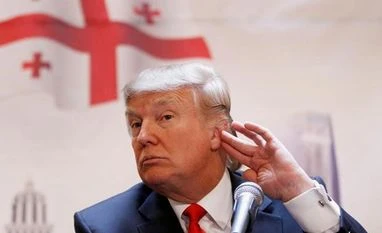 "Donald Trump, us president")
Donald Trump speaks to the press during an announcement in New York. Photo: Reuters
Journalists would have anticipated the first press conference of the Trump presidency with some trepidation. Not only had his briefing at Trump Tower as president-elect been something of a shambles as Trump excoriated some journalists and ignored others, but the whole election campaign had been traumatic for many. Reporters had been submitted to ritual humiliation at Trump rallies, ushered through baying crowds to be labelled “liars” and “disgusting” by a candidate who did not seem overly burdened by the concept of truth himself.
But campaigning is different from governing. Journalists, who had endured a storm of criticism from Trump’s transition team, were hoping for a transformation of campaign Trump into a more presidential Trump – or perhaps a press liaison operation sympathetic to the press’ needs.
The first press “briefing” from White House press secretary Sean Spicer, delivered the day after Trump was sworn in as the 45th president of the United States made it clear that this transformation has not happened. In a six-minute tirade, Spicer told journalists why their coverage of the inauguration had been wrong, told them what they should be reporting and left the stage with no opportunities for questions and answers.
Any impression that a mutual trust might be nurtured between presidency and media – or even that a deal for mutual benefit might be negotiated – was shattered. Journalists’ worst fears, articulated widely and openly during the transition, are now realised and both sides are now digging in for an extended battle.
Written out
From Theodore Roosevelt’s presidency at the turn of the 20th century onward, presidents have traditionally nurtured a relationship with journalists. Franklin Roosevelt held briefings in the Oval Office and Jack Kennedy traded on his own journalistic experiences in talking to the press. The relationship was symbiotic and mutually beneficial; presidencies broadcast their messages to the public and the media had stories and pictures to run.
But the relationship has soured since the 1970s – and the Trump presidency may come to represent the logical conclusion of a half-century’s development in presidential relations with the media.
The disillusionment of the media with the presidency is well-documented. The Watergate scandal and misinformation over the Vietnam War caused journalists to examine their assumptions about the trustworthiness of the country’s commander-in-chief.
But the media still needs the presidency. The presidency, on the other hand, has long struggled to wriggle free of the media’s grasp. Frustrated by increasingly negative coverage from mainstream outlets, presidents pull away from the media over their term, offering fewer press conferences as their term develops. Obama’s administration built a reputation for unusual levels of secrecy due to its refusal to release information in response to press requests. Worse, administration threats to prosecute journalists for not revealing their sources permanently tarnished Obama’s standing with the media and generated many hostile stories.
During George W. Bush’s administration, journalist Ryan Lizza offered the term “pressless presidency” to capture the Bush team’s assessment of the press, not as a Fourth Estate with a legitimate role to check governmental and presidential power, but as just another interest group to be serviced.
The holy grail now for an administration is to bypass the hard questions and unforgiving judgements of the Washington media to reach the people directly. Each new technology seems to offer this potential. Obama attempted to bypass the Washington press corps through use of Reddit and YouTube, while Trump has done more than most to cut loose while calculating that he can use other means to communicate – Twitter being his favourite medium.