Most people only experience mild symptoms from the Covid-19 disease caused by the virus and recover within weeks. But it is highly contagious and causes severe illness in some patients, particularly the elderly and those with weakened immune systems. People can carry and spread the virus without showing any symptoms.
More than 331,000 people have been infected worldwide, and more than 14,400 have died. Nearly 100,000 people have recovered.
There are around 26,800 cases of the virus confirmed in the Middle East, but more than 21,000 of those cases are in Iran and many others are linked to travelers from Iran, which has reported nearly 1,700 fatalities.
The UAE's emergency and crisis management body and its Civil Aviation Authority said in a statement that the decision to stop all commercial flights, including even transit flights, would take effect in 48 hours. The aviation authority said cargo and emergency evacuation flights would be exempt from the ban.
Today we made the decision to temporarily suspend most passenger flights by 25 March 2020. SkyCargo operations will continue. This painful but pragmatic move will help Emirates Group preserve business viability and secure jobs worldwide, avoiding cuts. https://t.co/x7Y9XUOaAW 1/5 pic.twitter.com/LyU9CLR4iU
— Emirates Airline (@emirates)
March 22, 2020
Saudi Arabia and at least seven other countries in the Middle East have already suspended all commercial flights to try and stop the spread of the virus. Also, several Mideast countries, including Iraq and Kuwait, have imposed evening curfews.
The UAE's Ministry of Interior announced overnight that people should only leave their homes in their personal cars for work or necessities. It said further announcements would be made regarding rules for taxis and public transport, on which many foreign laborers and workers across the country rely. It warned that violators could face fines or imprisonment.
The UAE also announced that malls, shopping centers and restaurants will be closed for at least two weeks, though restaurants can still offer delivery service. The decision affects some of world's biggest malls and indoor mall attractions in the emirates of Dubai and Abu Dhabi. Grocery stores, pharmacies and wholesale food suppliers are exempt from the ban.
Countries across the Gulf have already closed schools, gyms, parks, beaches and mosques to the public, including Islam's holiest sites in Mecca and Medina. The cases in Gaza and Syria have raised particular concern, as both would be ill-equipped to detect or contain an outbreak. Authorities in Gaza say two people tested positive and were isolated after returning from Pakistan.
Syria said a 20-year-old woman tested positive after entering from another country, without providing further details Gaza has been under an Israeli and Egyptian blockade since the Islamic Hamas movement seized power from rival Palestinian forces in 2007. The coastal territory is home to more than 2 million people but it only has around 60 ventilators, and all but 15 are already in use, according to Abdelnasser Soboh, director of the World Health Organization's Gaza office.
The nine-year civil war in Syria has left millions of people internally displaced. Poverty is rampant and many medical facilities are barely functioning.
There are similar concerns about a catastrophe if the virus turns up in Libya or Yemen, which are both divided by civil wars that have ruined their healthcare systems. Afghanistan reported its first death on Sunday, a man in his 40s. The war-ravaged country has reported 34 confirmed cases.


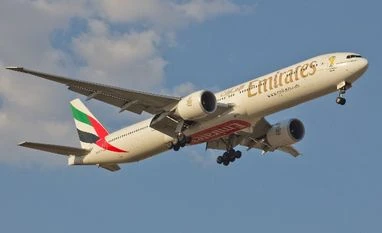 "Emirates Airlines")