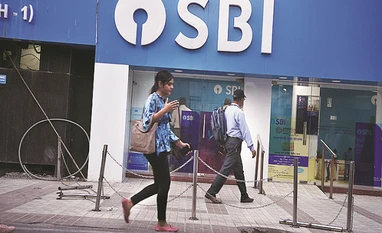
Although the true picture will only emerge once the lenders are allowed to classify accounts as non-performing, bad loans are likely to go up sharply in the coming quarters. This would put significant pressure on banks, particularly those in the public sector.
Business Standard opinion pieces of the day talk about the banking sector among other issues.
The government now talks more openly than before of outright privatisation of some of its smaller banks. Ironically, the repeated rounds of capital infusion have meant that government ownership in these banks has increased proportionately. Yet sale will have to be at poor valuations, since all of them quote at significant discounts to book value, writes
T N Ninan here
India and the US are in a full embrace. Old hypocrisies are history and supreme national interest has once again driven a strategic choice, writes
Shekhar Gupta here
The US is a wonderful example of how a political party with minority support can cling to power for decades despite a free press and an academy, which points out distortions loudly and repeatedly. Managing this electoral “miracle” is even easier in a multi-party system, where academics and mediapersons are thrown in jail for speaking truth to power, writes
Devangshu Datta here
“Monetary policy at this stage has to provide adequate support to ensure a robust revival of the economy from the devastating effects of Covid-19, while at the same time ensuring that any persistence of elevated inflation does not lead to unanchoring of inflation expectations .”
RBI Governor Shaktikanta Das (Minutes of the Monetary Policy Committee Meeting)


 "SBI")

