


How Encephalitis damages the brain and why early detection matters
Often mistaken for viral fever, encephalitis inflames the brain and can turn fatal within hours. Here's explaining the causes, warning signs, treatment and recovery
 "encephalitis")
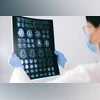
Brain imaging plays a critical role in detecting encephalitis and guiding timely neurological treatment. (Photo: Pexels)
Listen to This Article
Encephalitis is not a rare or distant medical condition, but a fast-moving neurological emergency that can escalate within hours. Often mistaken for a severe viral fever in its early phase, encephalitis involves inflammation of the brain itself, leaving little room for delay.
Neurologists stress that early recognition and timely treatment could mean the difference between full recovery, permanent disability or death.
“Encephalitis is inflammation of the brain, most commonly caused by viral infections, though immune-mediated causes are increasingly recognised,” says Dr Advait Kulkarni, Consultant Neurologist at HSR Neuro Clinic, Bengaluru, and consultant at Practo.
The inflammation causes irritation and swelling of brain cells, which interferes with normal neurological functions. “It is a medical emergency because the brain has very little tolerance for swelling, and damage can occur rapidly,” he adds.
What causes encephalitis?
In India, encephalitis does not have a single cause. The triggers vary by region, season and exposure patterns.
Also Read

 "jobs")
 "Ranjit Gill, Ranjit 'Ricky' Singh Gill")
 "rabies vaccination pets")
 "L to R - Saumya Singh, Co-Founder, WinZO and Paavan Nanda, CEO & Co-Founder, WinZO at the Press Conference Unveiling The Indian Gaming Report 2025 in Mumbai on 30th April 2025. (PHOTO: KAMLESH PEDNEKAR)")
 "marriage, wedding")
Key causes include:
- Viral infections: Herpes simplex virus (HSV) remains one of the most important nationwide causes and is treatable if detected early
- Mosquito-borne infections: Japanese Encephalitis (JE), particularly in endemic regions during and after the monsoon
- Other viruses: Dengue and enteroviruses, which may initially resemble routine viral illness
- Bacterial infections: Conditions such as scrub typhus that often masquerade as viral encephalitis
- Autoimmune encephalitis: An increasingly recognised cause where the immune system attacks the brain, often responding well to immunotherapy
Dr Kulkarni notes that JE patterns are influenced by mosquito density, flooding, pig-rearing practices and bird migration, making surveillance and prevention complex.
Types of encephalitis
Encephalitis is broadly classified based on what triggers the brain inflammation. Identifying the type is critical, as treatment strategies and outcomes differ.
- Infectious encephalitis is caused by viruses, bacteria, fungi or parasites that directly invade the brain. Viral encephalitis is the most common form, though several bacterial and parasitic causes are treatable if identified early.
- Autoimmune encephalitis occurs when the immune system mistakenly attacks healthy brain cells. It may follow an infection or occur without a clear trigger and often responds well to timely immunotherapy.
Experts stress that early classification allows targeted treatment and significantly improves recovery chances.
What the Assam outbreak revealed
This year’s Japanese encephalitis outbreak in Assam highlighted both progress and persistent gaps in India’s response.
According to Dr Kulkarni:
- Vaccination has reduced the overall disease burden but not eliminated seasonal surges
- Early referral systems remain weak in many areas
- ICU preparedness and neurological care capacity vary widely
- Community awareness of early warning signs is still limited
“Vaccination alone is not enough,” he says. “We need stronger surveillance, faster referrals and better public awareness.”
Early symptoms that are often missed
Delayed diagnosis is one of the biggest dangers with encephalitis, as early signs are frequently dismissed as routine illness.
Warning symptoms include:
- Fever with subtle confusion or unusual behaviour
- Excessive sleepiness or sudden personality changes
- Severe headache accompanied by vomiting
- Even a single seizure, especially when associated with fever
“The most dangerous delay happens early,” Dr Kulkarni warns. “That delay can cost neurons and lives.”
How encephalitis is managed
Hospital treatment focuses on protecting the brain while addressing the underlying cause.
Key elements of management include:
- Immediate antiviral therapy when viral encephalitis is suspected
- Seizure control and continuous monitoring of consciousness
- MRI scans, cerebrospinal fluid analysis and EEG monitoring
- Intensive care support for breathing and control of brain swelling
- Screening for autoimmune encephalitis and early immunotherapy when indicated
“Neurologists today think beyond infections,” Dr Kulkarni says. “Autoimmune encephalitis can respond dramatically if treated in time.”
Why early treatment changes outcomes
Dr Kulkarni recalls the case of a young professional, who walked into his clinic with fever and mild irritability, brought in reluctantly by family. His MRI and CSF confirmed HSV encephalitis.
Because treatment began immediately, the outcome was markedly different. “Early antiviral treatment and ICU monitoring meant he walked out weeks later, working, thinking and living independently. A 24-hour delay could have changed that story completely.”
Why follow-up care matters
Hospital discharge does not mark the end of recovery. Many survivors experience long-term neurological effects, including:
- Memory and concentration difficulties
- Personality or behavioural changes
- Long-term seizures
- Reduced stamina and cognitive slowing
Recurrence is uncommon but possible, especially in autoimmune encephalitis or certain viral infections. “Recovery does not end at discharge,” Dr Kulkarni emphasises. “Long-term neurological rehabilitation is essential, not optional.”
Patients are advised to continue regular follow-ups and report any new neurological symptoms—such as confusion, seizures or behavioural changes—promptly, as early intervention can prevent lasting damage.
For more health updates, follow #HealthwithBS
This report is for informational purposes only and is not a substitute for professional medical advice.
More From This Section
 "Fast food")
 "drive, driving")
 "Milk industry sounds the alarm as India's production growth sees steep fall")
 "fermented foods and probiotics on gut health")
 "teeth stains - causes and remedies")
Don't miss the most important news and views of the day. Get them on our Telegram channel
First Published: Dec 30 2025 | 3:32 PM IST