


How daily habits stain your teeth and what dentists say really works
Stains build up slowly through daily habits and ageing. Experts break down the types of stains and safe ways to restore a brighter smile
 "teeth stains - causes and remedies")
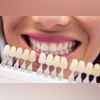
Dentists use shade guides to assess tooth colour and plan whitening treatments. (Photo: Freepik)
Listen to This Article
From daily chai and coffee to tobacco products like gutka and paan, several common habits in India contribute to tooth staining. Dentists warn that while stains are common, unsafe whitening trends can do more harm than good. Experts explain the real causes, types of stains and evidence-based ways to treat them.
Why do teeth get stained?
Tooth staining is usually the result of repeated exposure rather than a single cause. According to Dr Vimal Arora, chief clinical officer at Clove Dental, everyday habits play a major role.
Common causes include:
- Food and beverages: Coffee, tea, red wine, colas, berries and certain spices contain pigments that cling to enamel over time.
- Tobacco use: Smoking or chewing tobacco leaves dark, stubborn stains due to nicotine and tar.
- Poor oral hygiene: Plaque build-up makes it easier for stains to settle and stay.
- Medications and ageing: Drugs such as tetracycline taken during childhood, iron supplements and natural ageing can darken teeth. As enamel thins with age, the darker layer beneath becomes more visible.
Dr Taranjit Singh, senior dental surgeon at Janak Dental Clinic, notes that frequent intake of acidic foods and drinks weakens enamel, making teeth more vulnerable to staining over time.
Extrinsic vs intrinsic stains: Why the difference matters
Dentists broadly classify tooth stains into two categories, and identifying them is crucial for choosing the right treatment.
Also Read

 "Pralhad Joshi")
 "Kuldeep Sengar, EX-BJP MLA, Unnao rape case accused")
 "Rajnath Singh, Defence Minister")
 "salary, pay, purse")
 "PAN card, Aadhar Card")
Extrinsic stains
- Affect the outer surface (enamel)
- Caused by food, drinks, smoking and plaque
- Usually respond well to scaling, polishing and whitening
Intrinsic stains
- Develop inside the tooth (dentin or inner enamel layers)
- Linked to excess fluoride exposure, certain antibiotics, trauma, developmental issues or ageing
- Often require bleaching or cosmetic treatments such as veneers
Dr Gurleen Kaur, consultant dental surgeon at Karam ENT and Dental Clinic, explains that intrinsic discolouration needs a different approach and does not improve with routine cleaning alone.
Who is more prone to tooth staining?
Some people are naturally more susceptible to dental stains, even with similar habits. Risk factors include:
- Thin, weak or hypomineralised (deficiency of minerals) enamel
- Genetic differences in tooth colour and structure
- Increasing age, as enamel wears down
- Dry mouth, which reduces saliva’s natural cleansing effect
- Orthodontic appliances that trap plaque and pigments
- Long-term medications or certain medical conditions
This explains why two people with identical diets may experience very different levels of staining. Dentists recommend individual assessment rather than one-size-fits-all solutions.
Are home whitening remedies safe?
At-home whitening can help, but only when chosen carefully. Experts stress that “natural” does not always mean safe.
Generally considered safe when used correctly:
- Fluoride toothpaste
- Mild whitening toothpastes
- Dentist-approved whitening strips, gels or trays
- Electric toothbrushes for improved plaque removal tools
Potentially harmful if overused or unsupervised:
- Lemon juice, vinegar or other acidic substances
- Baking soda mixtures
- Activated charcoal used frequently
- Hydrogen peroxide without professional guidance
Dr Arora cautions that excessive whitening can strip away enamel, which does not regenerate, leading to sensitivity and long-term damage.
When should professional treatment be considered?
Professional care is recommended when brushing and home care fail to improve tooth colour. Treatment options include:
- Scaling and polishing: Usually advised every six months to remove plaque, tartar and surface stains.
- Professional bleaching: Effective for deeper stains, often lightening teeth by two to four shades within one or two visits.
- Advanced cosmetic options: Veneers or bonding may be required for severe intrinsic discolouration.
Experts emphasise that treatment choice should be based on the cause of staining, not just cosmetic preference.
How to prevent stains from returning
Preventing stains is simpler and safer than repeated whitening. Daily habits that help include:
- Brushing twice daily with fluoride toothpaste
- Flossing once a day
- Rinsing the mouth after tea, coffee or coloured drinks
- Using a straw for staining beverages
- Limiting tobacco use
- Staying well hydrated to support saliva production
- Scheduling professional cleaning every six months
Experts say that whitening results are not permanent. Long-term brightness depends on consistent oral hygiene and healthy lifestyle choices rather than quick fixes.
For more health updates, follow #HealthwithBS
This report is for informational purposes only and is not a substitute for professional medical advice.
More From This Section
 "Indian medical association, IMA logo")
 "Fast food")
 "death, hospital")
 "drug interactions, mixing medicines, antibiotics and antacids, painkillers")
 "healthcare, doctor")
Topics : Health with BS BS Web Reports dental health dentist
Don't miss the most important news and views of the day. Get them on our Telegram channel
First Published: Dec 29 2025 | 5:07 PM IST