


Harvard study finds gut-liver link that may shape future obesity treatments
A new study shows how gut-produced metabolites influence insulin response and fat metabolism, opening the door to potential future treatments for obesity and type 2 diabetes
 "gut–liver metabolites")
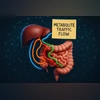
Disrupted metabolites could weaken the body’s metabolic balance. (Photo: Adobestock)
Listen to This Article
Researchers at Harvard University have uncovered a surprising new pathway that could reshape how obesity and type 2 diabetes are treated. Their study, titled “Gut-Liver Metabolites in Metabolic Health and Disease” and published in the journal Cell Metabolism, shows that tiny chemical compounds produced in the gut, known as metabolites, play a much bigger role in regulating metabolism than previously thought.
These metabolites travel from the intestine to the liver, helping control how the body processes sugar, stores fat and responds to insulin. The researchers found that when this gut–liver communication weakens, the body’s metabolic balance is disrupted, increasing the risk of obesity and diabetes.
What the study found
The researchers traced how metabolites produced by the gut microbiome travel from the intestines to the liver, and then out into the bloodstream, influencing crucial metabolic processes.
In healthy mice, the researchers found 111 different metabolites in the blood flowing from the gut to the liver, far more than the 74 metabolites found in regular blood circulation. However, when mice already prone to obesity and diabetes were fed a high-fat diet, this number dropped dramatically. Instead of 111 metabolites reaching the liver, only 48 were detected.
“This shows that both the environment and the host's genetics can interact in complex ways with the gut microbiome. As a result of these interactions, different combinations of metabolites may be sent to the liver and subsequently to the peripheral circulation,” explains Vitor Rosetto Muñoz, first author of the study and postdoctoral researcher at the Ribeirão Preto School of Physical Education and Sports at the University of São Paulo (EEFERP-USP) in Brazil.
Also Read

 "Modi, Narendra Modi, Nitish Kumar")
 "Nobel Prize, Grammy Awards (Images: Britannica/ Grammy)")
 "Tim Cook, Tim, cook, Apple, Apple CEO")
 "K Rammohan Naidu, Kinjarapu Ram Mohan Naidu, Kinjarapu RamMohan, Kinjarapu, Ram mohan")
 "Namo Bharat train")
Interestingly, when liver cells were treated with one particular metabolite known as mesaconate, the cells showed improved insulin signalling and better regulation of genes tied to fat accumulation and fatty acid breakdown.
This suggests that gut-derived metabolites may play a central role in controlling how the liver processes sugar and fat, which in turn affects overall metabolic health and disease risk. These findings also mirror patterns seen in human epidemiological studies.
What could this mean for future obesity and diabetes treatments?
Obesity and insulin resistance are closely connected, as excess body fat weakens the body’s ability to respond to insulin and increases the risk of type 2 diabetes. The Harvard study shows that gut–liver metabolites directly influence insulin sensitivity and fat metabolism, highlighting a promising new pathway that could target both conditions at once.
According to experts, these findings could eventually guide new strategies for treating obesity and type 2 diabetes, and pave the way for therapies that move beyond simply lowering blood glucose or curbing appetite.
Over time, metabolite-based treatments could complement existing options by addressing the underlying metabolic imbalance rather than just the symptoms.
What are the study’s limitations?
- Detailed metabolic findings are based largely on mouse models, not humans.
- Human evidence is observational, not yet confirmed through clinical trials.
- The study identifies mechanisms but does not prove real-world impact on obesity or diabetes outcomes.
- Effects of specific metabolites like mesaconate still need safety and efficacy testing in people.
More From This Section
 "stem-cell transplant cured HIV")
 "hair loss breakthrough, male-pattern baldness, hair growth")
 "Healthy habits, ageing")
 "winter immunity boost")
 "cancer, treatment, chemotherapy")
Don't miss the most important news and views of the day. Get them on our Telegram channel
First Published: Dec 08 2025 | 4:12 PM IST