


Stem cell breakthrough: New therapy raises hopes of curing type 1 diabetes
A new stem cell-based treatment helped most trial participants with severe type 1 diabetes stop insulin use, offering hope for long-term freedom from injections
 "diabetes")
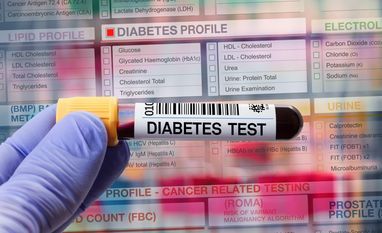
A recent clinical trial utilising stem cell therapy has shown promising results in reversing type 1 diabetes in some patients. (Photo: AdobeStock)
Listen to This Article
Living with type 1 diabetes is a constant battle where patients need to track blood sugar throughout the day and need insulin injections or pump-based therapies for life. But what if one day you could stop taking insulin for good? Today, it might sound impossible, but US-based scientists are working towards making it a reality. They have developed a new stem cell-derived treatment that has allowed the majority of patients with severe type 1 diabetes, who participated in the trial, to discontinue insulin use.
The study titled Stem cell–derived, fully differentiated islets for Type 1 diabetes, published in The New England Journal of Medicine, tested an experimental treatment called zimislecel, developed by US biopharmaceutical company Vertex Pharmaceuticals. According to the research paper, it helped 83 per cent of participants achieve insulin independence and maintain stable blood sugar levels for at least one year, marking a potentially transformative step in diabetes care.
What is zimislecel and what did the trial find?
Researchers conducted a trial on 14 people with severe type 1 diabetes who suffered from hypoglycemic unawareness, a dangerous condition where blood sugar drops suddenly without warning signs. These patients are at risk of passing out, having seizures, or even dying from low blood sugar.
According to the study, the participants received a stem cell-based infusion called zimislecel, which introduced lab-grown islet cells into their bodies. These new cells travelled to the liver and started working like natural insulin-producing cells.
The findings show:
Also Read

 "World drug day")
 "overcoming drug addiction")
 "Drug menace in India")
 "bat viruses China")
 "work stress, mental health after work")
- 10 out of 12 surviving participants were able to completely stop using insulin within a year
- The remaining two patients needed significantly less insulin
- Patients spent over 70 per cent of their time within the healthy blood sugar range (70–180 mg/dL)
- Episodes of low blood sugar stopped within the first 90 days of treatment
How zimislecel could change type 1 diabetes treatment
According to the researchers, type 1 diabetes happens when the immune system mistakenly destroys insulin-producing islet cells in the pancreas. Without insulin, the body cannot regulate blood sugar levels, requiring lifelong insulin injections or pumps. Zimislecel changes this as it uses stem cells engineered to become islet cells, replacing what the immune system destroyed. Once inside the body, these cells settle in the liver and start regulating blood sugar like a healthy pancreas would.
However, the participants in the trial also received glucocorticoid-free immunosuppressive therapy to prevent the body from attacking the newly introduced islet cells. This means that the patient might need to take immunosuppressants for life, which reduces immunity and increases the risk of infections.
The study was presented at the American Diabetes Association’s 85th Scientific Sessions held in Chicago from June 21–23. According to media reports, experts have cautioned that while this immunosuppression may be less risky than what’s used for organ transplants, the long-term safety of zimislecel will need more years of follow-up.
What’s next for zimislecel and when could it be approved?
Vertex Pharmaceuticals is now moving forward with phase 3 clinical trials of zimislecel. If larger studies confirm these results, the company may apply for approval from the US Food and Drug Administration (FDA) as early as next year. The cost of the treatment is still unknown, but experts agree that even the possibility of freedom from insulin is a groundbreaking leap forward.
Can this stem cell therapy help with type 2 diabetes too?
Zimislecel is currently being tested only in people with type 1 diabetes. Type 2 diabetes, which typically develops later in life and is related to insulin resistance rather than insulin absence, is a different disease that may not respond the same way to this therapy.
However, other researchers are experimenting with procedures to cure type 2 diabetes through cell therapy. For example, scientists in China developed an artificial version of the insulin-producing cells found in the pancreas, which were then transplanted into the patient during trials that produced positive results. More research is going on in this regard to confirm the efficacy and safety of this approach before it can be widely used as a treatment. For more health updates, follow #HealthWithBS
This content is for informational purposes only and is not a substitute for professional medical advice.
More From This Section
 "medicine, drug")
 "medical device")
 "Store-bought granola")
 "obesity drug market")
 "Salman Khan in Kick 2")
Don't miss the most important news and views of the day. Get them on our Telegram channel
First Published: Jun 26 2025 | 2:01 PM IST