


Canada's Quebec proposes halving foreign workers, cutting student numbers
The incoming Parti Quebecois government wants to reduce temporary residents to 250,000-300,000 and lower annual permanent immigration to 35,000; proposals are not yet in force
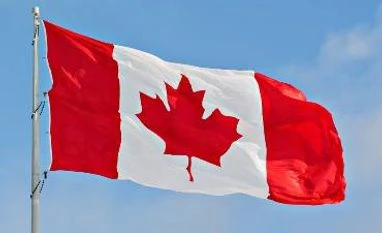 "Image via Shutterstock")
Quebec plans tougher French-language rules for immigrants
Listen to This Article
Canada’s Quebec province could become more restrictive for foreign workers, international students and prospective permanent residents under immigration proposals announced by the incoming Parti Québécois (PQ) government following its October 5, 2026, election victory. The proposals include reducing temporary foreign workers and international students, lowering permanent immigration targets and placing greater emphasis on French-language proficiency.
The proposed changes could affect people planning to study, work or settle in Quebec, including applicants from India. However, the proposals are not yet in force. Quebec’s next annual immigration plan, expected after the National Assembly resumes sitting in November, may provide the first formal indication of how the new government intends to implement them, according to immigration law firm Fragomen.
Quebec plans to reduce temporary residents
The PQ wants to reduce Quebec’s non-permanent resident population from more than 500,000 to between 250,000 and 300,000 by the end of its four-year mandate. The category includes temporary foreign workers, international students and other people holding temporary status.
Under the proposal, the target for workers under Canada’s Temporary Foreign Worker Program would fall to approximately 40,000 from a current estimate of more than 80,000. The plan also proposes tighter selection criteria and regional or sector-specific work permits instead of permits tied to a single employer, while recognising the agricultural sector’s reliance on foreign workers.
Also Read

 "The recently concluded trade deals included European Free Trade Association (EFTA), United Kingdom, Oman, New Zealand, European Union and an interim trade deal with the US")
 "AI, Artificial Intelligence")
 "Melanie Woodin, President, University of Toronto")
 "US, Canada tariff")
 "import, export, tariff, trump tariffs")
For international students, the proposed target is approximately 50,000, compared with more than 120,000 currently. The PQ has also proposed changes to university funding related to international students and greater support for French-language institutions.
These proposed reductions could affect employers dependent on overseas recruitment and international applicants considering Quebec for education or employment. The final impact will depend on how the government translates its targets into admission limits and selection rules.
Permanent immigration target may fall to 35,000
The incoming government also proposes reducing annual permanent immigration admissions to approximately 35,000 from the current framework’s target of around 45,000. It has proposed a moratorium on permanent economic immigration directly from outside Quebec, with economic immigrants instead selected from temporary residents already living in the province.
This could make it more difficult for people applying directly from abroad to qualify through Quebec’s economic immigration pathways if the proposal is implemented. Candidates already living in Quebec could receive greater priority under the proposed approach. Fragomen notes, however, that prioritising applicants already in the province is largely consistent with an existing trend and is not, by itself, a new policy change.
Quebec’s current 2026-2029 immigration framework already targets approximately 45,000 permanent admissions annually and includes measures to reduce temporary immigration. The incoming government’s proposals would represent a further tightening, but the existing framework remains the official policy until changes are announced.
French proficiency to become more important
French-language ability is central to the PQ’s proposed immigration policy. The party wants to prioritise candidates with intermediate French proficiency upon entry and intermediate-to-advanced proficiency at the selection stage. However, the proposal does not yet specify the exact proficiency levels, which language skills would be assessed or how the requirements would vary across immigration programmes.
Quebec already places significant emphasis on French-language integration. Under the existing framework, the province has set a target for nearly 80% of new immigrants to have at least intermediate French proficiency by 2029. It has also introduced measures affecting temporary workers and students.
Separately, Quebec’s existing rules provide that certain temporary foreign workers who have accumulated three years of work in the province must demonstrate level 4 spoken French when applying for temporary selection under the relevant process. The requirement is scheduled to apply to applications submitted from December 17, 2028, with specified exemptions, including agricultural workers. This is an existing measure and should not be confused with the incoming government’s broader proposals.
Yves Martineau — Co-president, Association québécoise des avocats et avocates en droit de l’immigration (AQAADI), raised concerns about unpredictability in Quebec’s immigration system and the effect of existing rules on foreign workers and families.
In an October 3 report, he argued that delays in family reunification were unnecessarily separating families. He also said that requiring some applicants to remain in Quebec throughout the processing of their Quebec Experience Program applications could deprive businesses of workers who pay taxes and contribute to the economy.
More From This Section
 "Bahrain")
 "US suspends PERM green card applications for major IT firms amid scrutiny of foreign-worker hiring. (Representative Picture)")
 "US Visa")
 "Australian flag")
 "US visa, US immigration, green card")
Topics : Canada
Don't miss the most important news and views of the day. Get them on our Telegram channel
First Published: Oct 13 2026 | 10:17 AM IST