


Grap Stage III implemented in Delhi: Here's what will be restricted
Delhi's AQI climbed from 425 on Tuesday morning due to calm winds, stable weather, and poor dispersion, allowing pollutants to stay trapped near the surface
 "Smog, Delhi Pollution, Delhi Air Quality, Pollution")
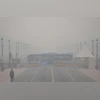
Delhi has been under Grap Stage II (Very Poor) since October 19, when AQI levels touched 301–400. (Photo: PTI)
Listen to This Article
After Delhi-NCR’s air quality index (AQI) rose to 425 (severe) on Tuesday morning, the Centre invoked the Graded Response Action Plan (Grap) Stage III, effective immediately, according to a report by news agency PTI.
Delhi’s AQI climbed from 425 on Tuesday morning due to calm winds, stable weather, and poor dispersion, allowing pollutants to stay trapped near the surface, the Commission for Air Quality Management (CAQM) said.
Here's a breakdown of the activities that are restricted under Grap Stage III.
Grap Stage III: What will be restricted?
Here are some of the restrictions that are now in place in Delhi-NCR under Grap Stage III:
Also Read

 "Delhi air pollution")
 "Delhi AQI, air pollution, smog")
 "Smog, Delhi Pollution, Delhi Air Quality, Pollution")
 "Smog, Delhi Pollution, Delhi Air Quality, Pollution")
- Ban on non-essential construction work
- Complete ban on any demolition work
- Closure of stone crushers and mining activities
- Classes up to Grade 5 are required to switch to hybrid mode
- Use of BS-III petrol and BS-IV diesel four-wheelers is restricted, with exemptions for persons with disabilities
- Commuters are encouraged to use public transport
Grap Stage II invoked in October
Delhi has been under Grap Stage II (Very Poor) since October 19, when AQI levels touched 301–400. This stage includes all Stage I measures, along with higher parking fees in parts of the city and curbs on polluting activities.
Unfavourable weather, vehicle emissions, stubble burning, firecrackers, and local pollution sources usually push Delhi-NCR’s air quality to hazardous levels, making emergency measures like Grap necessary, especially during winters.
What are Grap stages?
The Delhi government invokes the Grap framework to curb pollution in the city based on the AQI levels. Here are the different Grap stages and when they are implemented:
- Stage I – Poor (AQI 201–300)
- Stage II – Very poor (AQI 301–400)
- Stage III – Severe (AQI 401–450)
- Stage IV – Severe plus (AQI above 450)
Each stage triggers stricter actions to reduce pollution.
Growing mistrust
The decision came amid growing protests and increasing doubts over the Central Pollution Control Board’s (CPCB) AQI readings. According to a recent LocalCircles survey, many residents said they mistrust the official air quality data, claiming that government readings are often lower than private monitors, which leads to delayed or weaker implementation of Grap measures.
Additionally, 7 in 10 Delhi residents said they have “no or very low confidence” in the government’s ability to enforce Grap restrictions despite dangerously high pollution levels.
More From This Section
 "Red fort blast, Delhi blast")
 "Dharmendra")
 "Mata Vaishno Devi, Vaishno Devi")
 "Indian police")
 "New Delhi: Security personnel at the spot after a blast occurred in a parked car near Red Fort, leaving multiple vehicles in flames, in New Delhi, Monday, Nov. 10, 2025. (PTI Photo/Salman Ali)")
Don't miss the most important news and views of the day. Get them on our Telegram channel
First Published: Nov 11 2025 | 11:16 AM IST