


Pohela Boishakh 2025: Know history and how to celebrate 'Bengali new year'
Pohela Boishakh, the first day of the Bengali calendar, marks the new year with joy, tradition, and hope for prosperity. Celebrated with cultural rituals and festive meals, it symbolises a fresh start
 "Bengali New Year")
Bengali New Year
Listen to This Article
The Bengali New Year begins on 'Pohela Boishakh', also known as Poila Baisakh or Noboborsho. This vibrant celebration, which falls on the first day of Boishakh in the Bengali solar calendar, is widely celebrated in Bangladesh and in parts of Assam, West Bengal, and Tripura, India. For Bengali groups, it symbolises a fresh start and has deep cultural and traditional significance.
This year, the popular Bengali New Year celebration will take place on Tuesday, April 15, according to the calendar. On Monday, April 14, at 3:30 am, the Sankranti moment signifying the transition will take place. It is also an opportunity to spend time with loved ones, think back on the previous year, and pray for success and happiness in the one to come.
Pohela Boishakh: History and significance
The harvest season, or month of Boishakh, marks the beginning of the Bengali calendar. Thus, Pohela Boishakh is the name given to the New Year. According to the calendar, King Shoshangko of ancient Bengal is credited with starting the Bengali era, which began in approximately 594 CE according to the Gregorian calendar.
People pray for a plentiful harvest on this auspicious day. As traders open their new account books, or Haal Khaata, at the start of the new financial year, it also has significant commercial significance.
Pohela Boishakh 2025: How to celebrate 'Bengali new year'?
As people clean and decorate their houses, visit festive fairs, and spend time with their loved ones, Bengali new year is celebrated with much delight and enthusiasm. Wearing traditional Bengali clothing, praying for blessings and adorning doors with traditional rangoli-style patterns called 'Alpona' are important aspects of the festivities.
To celebrate this special day, have traditional fests, play lively Bengali music, share family tales, and exchange gifts. For a laid-back, happy celebration with your loved ones, try going for a walk or seeing a local event or watch any Bengali movie.
How do Bengalis celebrate Pohela Boishakh?
The Bengali new year, or Pohela Boishakh, is celebrated with a number of colorful celebrations and activities that unite local communities. West Bengal and Bangladesh are known for their vibrant processions and cultural displays, where people take part in traditional dances like Rabindra Sangeet or baul.
Local fairs, called Boishakhi melas, are vibrant events with food stalls, music, and handicrafts. The day is celebrated with elaborate processions and cultural events held at notable locations.
In a ritual known as Hal Khata, businesses also open their new financial books. New accounts are opened and customers are greeted with sweets. Bengalis around the world commemorate Poila Baisakh, which presents Bengali history through literary events, art exhibits, and theatrical performances.
Pohela Boishakh special: What is involved in traditional foods of Bengali New Year?
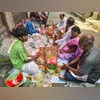
A delicious showcase of traditional meals that displays Bengal's rich culinary heritage is served to commemorate the Bengali New Year, or Pohela Boishakh. Ilish macher bhorta (mashed hilsa fish) and beguni (fried eggplant fritters) are usually served alongside panta bhat (fermented rice).
Popular delicacies that give the festivities a sweet touch are roshogolla, mishti doi (sweetened yogurt), and sandesh. The meal's ideal balance of sweet, spicy, and savory flavors represents a new year and a wealth of flavors that families and communities can enjoy.
More From This Section

 "Erim Kaur, London woman earns $4 million with Indian traditions inspired hair oil")
 "Pilgrims during the Amarnath Yatra")
 "Good Friday long weekend 2025")
 "Fever, Unwell, Cold, Unhealthy")
 "Happy Mahavir Jayanti")
Topics : New Year Specials West Bengal Bangladesh
Don't miss the most important news and views of the day. Get them on our Telegram channel
First Published: Apr 15 2025 | 1:49 PM IST