


Orban's charge of EU presidency raises questions about Hungary's stance
Taking tough action is extremely difficult since a slew of EU decisions need unanimity, giving lone disgruntled holdouts massive sway in the bloc
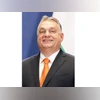 "Humgarian PM Viktor Orban")
Taking tough action is extremely difficult since a slew of EU decisions need unanimity, giving lone disgruntled holdouts massive sway in the bloc. Having such a recalcitrant member in charge of the presidency makes it even tougher Photo: Wikimedia Commons
The European Union traditionally ends its summer slumber in the dying days of August with an informal meeting of its foreign affairs ministers in a political equivalent of a fireside chat. But with Prime Minister Viktor Orban's Hungary holding the presidency of the 27-nation bloc, vacation has already been turned into one long firebrand's shout.
Since July 1, and right up to year's end, the EU's arcane rules allow Hungary, a nation of 9.5 million, to represent and often speak for the bloc of 450 million. The problem is that Orban increasingly stands for everything the EU opposes.
The first two months of the half-year rotating presidency has already turned into troll diplomacy, said Peter Kreko of the Center for European Policy Analysis. Orban "just wants to provoke more anger from the leaders of the European Union, he said.
When Russian President Vladimir Putin is the EU's archenemy because of his war in Ukraine, Orban travels to Moscow and hobnobs with the autocratic leader. When China is increasingly considered the EU's systemic rival, Orban travels to Beijing to make friends and boost Hungarian business interests. When the EU embraced U.S. President Joe Biden after four especially acrimonious years with Donald Trump, Orban makes a special detour to Mar-a-Lago to visit his trusted political ally.
And all this since taking on the EU presidency only eight weeks ago. To rub it into the faces of the bloc's 26 other leaders, he made the motto of his tenure Make Europe Great Again, a take on Trump's famous credo.
Also Read

 "European Union, EU")
 "Xi Jinping, Jinping, China President, Viktor Orban, Viktor, Orbán, China Visit")
 "European Union, EU")
 "Victor Orbn")
 "Vladimir Putin, putin")
In a sign of increasing displeasure with Orban, the EU has decided to take Thursday's prestigious meeting of foreign ministers away from Budapest and hold it instead at its headquarters in Brussels. Some member states have already downgraded attendance to other meetings in Hungary, sending bureaucrats instead of ministers with more such initiatives likely to follow, officials said.
Taking tough action is extremely difficult since a slew of EU decisions need unanimity, giving lone disgruntled holdouts massive sway in the bloc. Having such a recalcitrant member in charge of the presidency makes it even tougher.
In the halls of the EU institutions from the parliament to the executive European Commission, every day officials are on the lookout for what Orban might do next to discredit the bloc until the end of the year.
EU bodies have accused Orban for years of dismantling democratic institutions and violating their hallowed standards on the rule of law. Orban counters that the EU is seeking to abolish the principles of the nation state and impose a multicultural society aimed at undermining the continent's Christian vestiges.
Knowing that Orban's turn at the helm was coming, EU nations sought to take as many decisions as possible under the preceding presidency of Belgium, including on key tranches of Ukraine aid after Orban had questioned such help on several occasions.
There were initiatives in the European Parliament to deny Hungary the presidency altogether, but they failed as too complicated and drastic. Since retaking power in 2010, Orban has thrived on criticism like that of liberal Renew group's president Valery Hayer, who has called his stint a rogue presidency and his actions on Ukraine a security threat.
Unlike Britain, whose bellicose belligerence over the years eventually led it to leave the bloc, Hungary, long a net recipient of billions in EU funds meant to help the nation thrive in the wake of its communist past, has no such plans.
In Brussels we are not passive, but we have set up shop there: we are not moving out, but moving in, Orban told a summer camp in Hungary, convinced that a groundswell of Europe's populist far-right and his version of illiberal democracy will continue to surge.
Experts say that it is Hungary's EU membership that makes him valuable to nations like Russia and China, offering a foot in the door of the massive bloc they would not have if Orban chose to leave the community he loathes.
Being the middleman who can fix certain issues, both for China, for Russia, for whoever is interested in influencing European politics, is the way he presents himself, said Marija Golubeva, a former Latvian interior minister and political scientist.
For Kreko, it is a situation where each one uses the other for their own purposes. I would absolutely agree that what Orban does is usually serving the interests of Russia and China, but it serves his own interests as well Orban wants to weaken the European Union from within.
(Only the headline and picture of this report may have been reworked by the Business Standard staff; the rest of the content is auto-generated from a syndicated feed.)
More From This Section
 "Kamala Harris, Kamala, Harris")
 "terrorism, terrorists, arms, ammunitions")
 "Kamala Harris, Kamala, Harris")
 "Russia Ukraine conflict, Russia Ukraine")
 "Image via Shutterstock")
Don't miss the most important news and views of the day. Get them on our Telegram channel
First Published: Aug 28 2024 | 11:50 AM IST