


Russia has lost over 1 million troops in Ukraine war, CSIS report estimates
The CSIS report calls the Russia-Ukraine war one of the slowest offensives in modern times, with staggering losses on both sides and Kyiv surviving due to vital international support
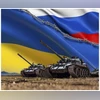 "Russia Ukraine conflict, Russia Ukraine")
If America doesn’t take a walk, Putin is in big trouble,” Jones said.(Photo: Shutterstock)


Listen to This Article
Over one million Russian troops have been killed or injured in the war against Ukraine since the full-scale invasion began in February 2022, according to a report by the Centre for Strategic and International Studies (CSIS). Ukraine has also paid a steep price, with around 400,000 killed or injured, taking the total number of casualties in the war to nearly 1.4 million over three years.
The CSIS report, cited by The New York Times, is described as one of the most comprehensive independent studies to assess the human cost of the war. The figures draw from estimates by US and UK intelligence agencies, alongside other open-source data, given that Russia is known to underreport its losses and Ukraine does not publicly disclose them.
Minimal gains despite staggering losses
Despite its massive toll, Russia has managed to seize less than 1 per cent of additional Ukrainian territory since January 2024. It now controls about 20 per cent of Ukraine. The report notes that Russian forces are advancing at an average rate of only 165 feet per day—slower than the pace of some of the most notorious battles of World War I.
“Russia’s war in Ukraine is on track to be one of the slowest offensive wars of modern times,” said Seth G. Jones, CSIS senior vice president and co-author of the report. “They’ve lost over one million casualties; they’ve captured a tiny little slice of terrain; and they’ve lost enormous quantities of equipment.”
A war of disproportionate tolls
The report estimates that around 250,000 Russian soldiers have died, making it Russia’s deadliest conflict since World War II. Ukraine has lost between 60,000 and 100,000 troops. While Russia has deployed more than 400,000 troops—nearly three times Ukraine’s 250,000—Kyiv is losing a far greater share of its population and military capacity relative to its size.
Also Read

 "Russia Ukraine conflict, Russia Ukraine")
 "Drone UAV")
 "Russia Ukraine flag, Russia-Ukraine flag")
 "Volodymyr Zelenskyy, Zelenskyy")
Russia has sustained its troop levels by holding its first military draft since World War II and offering financial incentives to convicted criminals, debtors, and others to enlist. The report also highlights support from allies such as North Korea, which is believed to have sent more than 10,000 personnel to aid Russia in the Kursk region.
Despite this, the Russian military has made little meaningful progress in capturing key Ukrainian territory.
Ukrainian resistance shifts perception of Russian might
Recent Ukrainian strikes on Russian airfields have surprised many in the West and challenged assumptions of Moscow’s military superiority. These attacks suggest that Ukraine retains significant offensive capability, even after years of attritional warfare.
Jones also hinted that a potential second term for Donald Trump could shift the trajectory of the conflict. “If America doesn’t take a walk, Putin is in big trouble,” he said. “The Russians would have the long-term upper hand if President Trump takes a walk.”
Trump has called for a peace agreement but has refused to commit to further military aid for Ukraine. European and Ukrainian officials have warned that this stance could prolong the war and give Russia a significant strategic advantage.
Kyiv survives at enormous human cost
The CSIS report underscores that Ukraine’s survival has come at immense human cost and is largely thanks to backing from international allies. Without external military and financial support, the report concludes, Kyiv would likely have lost the war.
More From This Section
 "World Environment Day 2025")
 "NYT Image")
 "South China Sea")
 "India Australia")
 "Bangladesh crisis, Sheikh Mujibur Rehman statue")
Don't miss the most important news and views of the day. Get them on our Telegram channel
First Published: Jun 04 2025 | 8:41 PM IST