


US-Russia nuclear pact expires: What is New START treaty and why it matters
The New Strategic Arms Reduction Treaty, commonly known as New START, was the last major nuclear arms control agreement between the United States and Russia
 "trump putin")
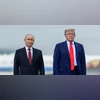
Its main aim was to reduce and limit the number of strategic nuclear weapons held by both countries. Photo: White House
Listen to This Article
The START treaty between Russia and the United States, which was aimed at regulating strategic offensive arms, including nuclear weapons, expired on February 5, leaving the world’s two biggest nuclear powers without any legal limits on their nuclear arsenals. With its end, there are now no binding restrictions on how many nuclear warheads each side can deploy.
Here’s a detailed breakdown of what the START treaty was, why it was significant and what comes next.
What was the START treaty?
The New Strategic Arms Reduction Treaty, commonly known as New START, was the last major nuclear arms control agreement between the United States and Russia. It was signed in 2010 by then US president Barack Obama and Russian president Dmitry Medvedev and came into force in February 2011. Its main aim was to reduce and limit the number of strategic nuclear weapons held by both countries.
Under the treaty, each side was allowed a maximum of 1,550 deployed nuclear warheads, along with limits on missiles, bombers and other delivery systems. It also allowed both countries to carry out inspections and share data, enabling verification of compliance.
ALSO READ | The end of New START: Why the last US-Russia nuclear treaty mattered
Why did the treaty expire?
The treaty was originally valid for 10 years and was extended once in 2021 for five more years, setting its expiry date at February 5, 2026. In the years leading up to the deadline, talks to further extend or replace the treaty failed to make progress.
Also Read

 "cancer research")
 "BSE, Stock Markets")
 "Adani Group")
 "Piyush Goyal")
 "Jimmy Lai")
As a result, New START expired automatically, ending its limits and inspection mechanisms without a replacement agreement in place.
What does the expiry mean?
With the expiry of the New START treaty, there are no legally binding limits on the number of nuclear weapons the US and Russia can deploy. There are also no longer any on-site inspections or mandatory data sharing between the two sides.
This raises the risk of misunderstanding and miscalculation at a time of heightened geopolitical tensions. The US and Russia reportedly together control about 85 per cent of the world’s nuclear warheads.
UN Secretary-General António Guterres has warned that the expiration represents a “grave moment” for international peace and security. “For the first time in more than half a century, we face a world without any binding limits on the strategic nuclear arsenals” of the two countries, he said.
ALSO READ |
How did US, Russia react?
US President Donald Trump has said he wants a new and better nuclear arms agreement instead of extending New START. He has argued that any future treaty should include other nuclear-armed countries, particularly China, whose arsenal is expanding.
On February 4, Russia’s Foreign Ministry said President Vladimir Putin had publicly proposed restarting talks on the treaty in September last year, but claimed the US did not give a clear response. Moscow described Washington’s approach as “erroneous and regrettable”.
China’s Foreign Ministry said the expiration was “regrettable” and urged the US to resume dialogue with Russia on “strategic stability”. It warned that the lapse could negatively affect the global nuclear arms control system and international nuclear order.
More From This Section
 "Cuba, Cuba flag")
 "Keir Starmer, UK PM")
 "thailand, anutin, thailand PM")
 "US President Donald Trump participates in NORAD Santa tracker phone calls, on Christmas Eve, from the Mar-a-lago club in Palm Beach, Florida, US | REUTERS")
 "Venezuela")
Topics : Donald Trump Vladimir Putin US Russia Nuclear treaty US nuclear policy nuclear weapoms Donald Trump administration US China BS Web Reports
Don't miss the most important news and views of the day. Get them on our Telegram channel
First Published: Feb 09 2026 | 11:02 AM IST