In first radio address, PM Modi urges people to use khadi
Says he will talk to people of India through radio on at least some Sundays at 11am
BS Reporter New Delhi Prime Minister Narendra Modi on Friday delivered his first radio address with the objective to reach out to millions of people with no access to television. He promised to make this a regular feature.
Modi, among other things, appealed to people to shed despondency and believe in their potential; extolled the virtues of cleanliness, stressed the need for the society to help the specially-abled and asked people to use khadi.
Click here to read full text of speech in Hindi India’s first PM Jawaharlal Nehru used to frequently talk to the people of the country through radio, and would even organise special broadcasts of his dialogues with children. But few Indian Prime Ministers have since used the medium as effectively. In his address titled ‘Mann ki Baat’ or ‘from the heart’, Modi said it was the first in a series and that “I will try to speak to you once or twice a month on Sundays.”
In his address, Modi incorporated some of the emails and letters he has received from the common people. He answered their questions or promised to incorporate the ideas suggested by them. “You know, our scientists have undertaken the Mars mission successfully at minimum expenses. There is nothing lacking in our capabilities. We only have forgotten our strengths. We have forgotten ourselves as if we have become despondent. My brothers and sisters, this cannot be,” the PM said in his 15-minute long address.
“We need to recognise our internal strengths,” the prime minister said. He narrated a story from the works of Swami Vivekananda about how a lion cub, brought up by sheep, quits bleating and roars when it rediscovers its real self. “If we move ahead with self-respect and right identity, we will emerge victorious,” he said.
Modi asked the people to use at least one article made of khadi, whether a bedspread or a handkerchief, in their households as it will benefit the poor. The PM said he has received suggestions by emails that skill development should start from Standard V, urban local bodies should start special programmes for specially-abled children to motivate them, more dustbins, ban on polythene and making easier the registration of small scale industries. The PM also talked about the Swachh Bharat Abhiyan or ‘Clean India’ campaign he launched on Thursday.
Modi said it was high time the people of India stopped looking up to the government for help. “Till we don’t decide to get up and walk, we won't find guides to show us the way,” he said. Advocating greater participation of the common people, he said India belonged to not only the government but to everyone.
Modi's address, which had been recorded exclusively by All India Radio, was also telecast by Doordarshan, which aired the audio feed along with a visual of the PM on its screen.
In India, Nehru used the medium of radio routinely to reach out to people. United States Presidents have the practice of delivering weekly radio addresses. The practice was started by Franklin D Roosevelt’s ‘fireside chats’ and revived by Ronald Reagan. Subsequent Presidents have kept up the ‘radio address’, broadcast on Saturdays.

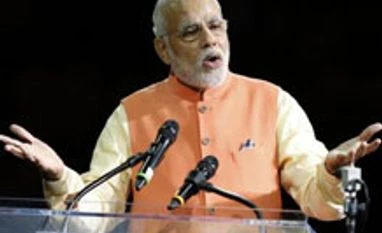 "In first radio address, PM Modi urges people to use khadi")


 Connect with us on WhatsApp