India registered over a 3rd of global infant deaths due to Covid slowdown
India accounts for more than a third of the global excess infant deaths in 2020 due to the economic slowdown caused by Covid-19, according to a study led by World bank researchers
IANS New Delhi India accounts for more than a third of the global excess infant deaths in 2020 due to the economic slowdown caused by Covid-19, according to a study led by World bank researchers.
The study, published in the online journal BMJ Open, showed that the economic downturn caused by Covid-19 resulted in an additional 2,67,208 infant deaths in low- and middle-income countries in 2020.
The highest numbers of estimated excess infant deaths were in South Asia (8 countries), totalling 1,13,141, with more than a third of the excess projected to be in India (99,642).
India has the highest number of annual births (2,42,38,000) as well as a particularly large projected economic shortfall of minus 17.3 per cent for 2020.
The global death toll is 7 per cent higher than expected for the year, the researchers said. The reason: the world economy is expected to have contracted almost 5 per cent in the first year of the pandemic, increasing the numbers of people living in poverty by 120 million.
"Regardless of the exact number of projected deaths, the large number of excess infant deaths estimated in our analysis underscores the vulnerability of this age group to negative aggregate income shocks, such as those induced by the Covid-19 pandemic," they researchers wrote.
"Several mechanisms are likely driving this increase in mortality among children 0-1 year of age: impoverishment at the household level will lead to worse nutrition and care practices for infants and reduced ability to access health services, while the economic crisis might also affect the supply and quality of services offered by the health systems," they explained.
For the study, the researchers looked at the impact of the aggregate aincome shock' represented by the projected fall in Gross Domestic Product (GDP) -- the total value of a country's annual goods and services -- on the survival of children aged up to 12 months in low- and middle-income countries.
They linked data on GDP per head of the population to 5.2 million births, reported in Demographic and Health Surveys between 1985 and 2018. Most (82 per cent) of these births were in low- and lower middle-income countries.
They then applied International Monetary Fund economic growth projections for 2019 and 2020 to predict the effect of the economic downturn in 2020 on infant deaths in 128 countries.
The study also acknowledged several limitations to their projected figures, including that their calculations drew on retrospective data, and that they only considered the short-term impact of GDP fluctuations on infant death rates.
--IANS
rvt/dpb
(Only the headline and picture of this report may have been reworked by the Business Standard staff; the rest of the content is auto-generated from a syndicated feed.)

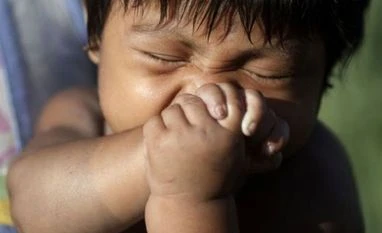 "India registered over a 3rd of global infant deaths due to Covid slowdown")


 Connect with us on WhatsApp