As the Opposition’s campaign against the purchase of 36 Rafale fighters from France grows in pitch, the government’s response has not been open enough. That has encouraged the impression that it has something to hide. The Opposition has made a three-point case: First, that Prime Minister Narendra Modi enfeebled the Indian Air Force (IAF) by scuppering a 126-aircraft contract, which was close to finalisation, and instead purchased just 36 Rafales while short-circuiting due procedure. Second, that the government allegedly paid a higher price in the new deal, without obtaining a qualitatively superior fighter. Finally, the Opposition has charged the government with killing the “Make in India” component of the 126-Rafale tender, instead accepting French-built fighters in “flyaway” condition, leaving little for Indian industry to contribute. The Opposition alleges that only France would benefit, along with some Indian corporates.
Presumably the government has all the facts, figures and rationale needed to address these allegations, yet it has failed to make them public. Defence Minister Nirmala Sitharaman, who pledged last November to reveal what Dassault had bid in the cancelled tender and what India eventually paid, has said now in an interview to The Indian Express that the basic price of the French aircraft has been disclosed to Parliament and that the Air Force cannot absorb more than two squadrons in the given time because of infrastructure and other technical constraints. This raises fresh questions, as induction of the 36 aircraft is over six to seven years from the contract signing. Meanwhile, the seniormost air force officers have taken up cudgels to defend the quality of the aircraft, which has never been the issue.
It can be nobody’s case that the government should divulge the confidential details of the Rafale’s operational capabilities. Nor can the government legitimately argue that every detail relating to the Rafale is confidential and putting anything out would endanger IAF pilots. The government has to explain the process and time line by which seven squadrons were reduced to two, since key government personnel seemed to have been unaware of the impending change when the prime minister went to France. It has to list the India-specific changes to the aircraft and itemised cost, especially since Dassault is on record that the plane is the same as the one negotiated earlier. It also has to give a break-up of the weapons suite which presumably was not in the original bid. Finally, it has to detail how the new maintenance commitments are different from the earlier ones. Like in all democracies, the government is duty-bound to account for the expenditure of public funds, and it would set a dangerous precedent to shirk that duty by citing national security. The French president, to whom the government turned to endorse its claim of confidentiality, obliged only half-heartedly, placing the onus on New Delhi to decide what was actually confidential.

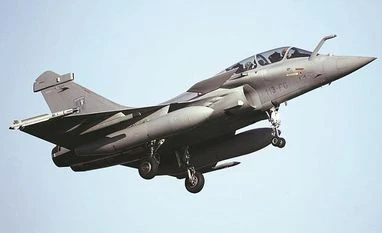 "Transparency on Rafale deal: The govt must explain these key issues")










 Connect with us on WhatsApp