Ever looked in the mirror after a rough few days and thought, “Why does my face look… off?” Swollen eyes, puffy cheeks, dull skin, dark circles, fine lines, dryness, and lost glow. Social media has a term for it: “cortisol face.”
But can stress hormones really change how your face looks?
Is ‘cortisol face’ a real medical condition?
“Cortisol face is not a recognised medical diagnosis,” says Dr Saurav Shishir Agrawal, senior consultant – Endocrinology & Diabetes at Medanta Hospital, Noida.
“It’s a term created by social media to describe facial swelling or roundness during stress. In medicine, facial changes linked to cortisol are seen only in specific endocrine disorders like Cushing’s syndrome, where cortisol levels stay high over long periods.”
In other words, doctors don’t diagnose “cortisol face”.
What do normal cortisol levels look like, and when are they actually high?
Cortisol is not always a villain. This hormone is essential for survival as it helps you respond to danger and stress and is part of the fight-or-flight system. According to doctors, cortisol mobilises energy, sharpens focus, and temporarily diverts resources away from non-essential functions like digestion and reproduction so you can deal with what’s in front of you. This is why cortisol spikes in the morning, during illness, after injury or under emotional stress. However, chronic dysregulation is the problem.
“In a healthy individual, morning cortisol levels around 10 am are typically between 10–20 µg/dL and then decline through the day,” explains Dr Agrawal.
“Levels are considered abnormal only when repeated tests stay high or fail to suppress during formal testing.”
Stress-related spikes, he adds, are short-lived and return to baseline fairly quickly. That’s a key distinction most viral content skips.
Can everyday stress really change how your face looks?
From a hormone perspective, it can change the way your face looks, but not in a permanent way.
“Typical stress-related increases in cortisol are brief and unlikely to cause actual structural facial changes,” says Dr Agrawal. “However,
lack of sleep, water retention or inflammation can cause temporary swelling, which people often attribute to cortisol.”
Why does stress seem to show up on the face first?
It is because your skin is one of the first and most visible victims of stress.
“When you’re in chronic stress, the face starts showing ageing signs such as dullness, tired eyes, loss of glow, puffiness, dark circles, fine lines and acne,” says Dr Chandni Jain Gupta, HOD dermatologist and aesthetic physician at Elantis Healthcare, New Delhi.
“Stress increases cortisol and inflammatory cytokines, which break down collagen and weaken the skin barrier.”
“Stress directly impacts skin quality,” Dr Gupta stresses.
“The skin barrier weakens, water loss increases, inflammation rises, and collagen production is inhibited. Cortisol also increases oil and sebum production, clogging pores and worsening acne.”
How much 'cortisol face' is actually sleep, salt or diet?
“Many people mistakenly blame cortisol when lifestyle factors have a much larger impact,” says Dr Rajeev Chowdry, internal medicine specialist at Yatharth Super Speciality Hospital, Faridabad.
“High salt intake causes water retention, alcohol leads to dehydration followed by rebound swelling, and ultra-processed foods drive inflammation and insulin spikes, all of which can make the face look bloated.”
Often, correcting these basics improves appearance.
Does poor sleep raise cortisol enough to change your face?
Experts stress that it can, and also underscore its importance as one of the fastest fixes.
“Chronic sleep deprivation disrupts the normal cortisol rhythm, keeping levels elevated for longer,” says Dr Chowdry. “This can lead to fluid retention, dull skin and swelling under the eyes.”
“Many people see reduced facial puffiness and better skin texture within 3–7 days of restoring regular 7–9 hours of sleep,” he adds.
Can gua sha or lymphatic drainage really reverse 'cortisol face'?
“There’s no evidence that gua sha or lymphatic drainage lowers systemic cortisol levels,” Dr Gupta clarifies. “What they do help with is temporary fluid movement, puffiness reduction and relaxation.”
Dr Agrawal agrees: “Massage and relaxation techniques may briefly lower perceived stress or salivary cortisol, but they don’t meaningfully or lastingly reduce cortisol in medical conditions.”
What actually works if cortisol is genuinely elevated?
Experts say it depends on the cause.
“In medical conditions like Cushing’s syndrome, treatment may involve surgery or medications that suppress cortisol,” says Dr Agrawal.
“For non-pathological elevation, improving sleep, treating anxiety or depression, staying physically active and addressing underlying health issues are the safest and most effective approaches.”
How long does it take to reverse stress-related facial changes?
“Sleep- or diet-related puffiness can improve within 24–72 hours,” says Dr Gupta. “If changes are
stress-related, you may see improvement in 3–7 days, while skin quality like hydration and redness can take 2–4 weeks.”
Dr Agrawal adds that in true cortisol disorders, reversal takes longer. “Facial puffiness may reduce over weeks, but full recovery can take months, depending on health, age and how long cortisol was elevated,” he explains.
So if you want to ‘reverse cortisol face’, what should you prioritise?
“Normalise sleep, reduce salt and alcohol, stay hydrated, eat simply and move regularly,” says Dr Chowdry.
“These alone often reduce facial puffiness within a week.”
Dr Gupta adds skincare basics to the list: gentle cleansing, barrier-repair ingredients, sunscreen, and avoiding aggressive treatments during stress.
The experts recommend readers prioritise rest, routine, and mental relaxation practices like
mindfulness to keep cortisol in check, and to restrain themselves from falling prey to viral fixes that can cause more damage.
For more health updates, follow #HealthWithBS This content is for informational purposes only and is not a substitute for professional medical advice.

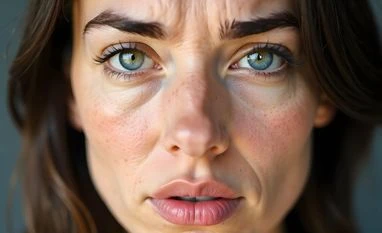 "How stress changes your face: What's 'cortisol face' and how to reverse it")


 Connect with us on WhatsApp