What is sleep anxiety and how is it different from insomnia?
If, despite feeling exhausted, you are unable to sleep, find your mind racing with thoughts and your body resisting rest, you might be experiencing sleep anxiety.
According to Dr Astik Joshi, Child, Adolescent and Forensic Psychiatrist at Veda Clinic, Delhi, and Fortis Shalimar Bagh, sleep anxiety is becoming an increasingly common phenomenon, especially among young professionals navigating high-pressure jobs, digital overload, and endless to-do lists.
How is sleep anxiety different from insomnia or general anxiety?
“Sleep anxiety refers to the persistent worry or fear associated with the act of falling asleep or staying asleep,” said Dr Gorav Gupta, Senior Psychiatrist and CEO of Tulasi Healthcare. “Unlike
general anxiety, which is broad and can affect various areas of life, sleep anxiety is specifically about sleep,” he added.
Unlike insomnia, where the issue is sleep disruption regardless of cause, sleep anxiety is about anticipatory fear: the fear of not being able to sleep becomes the very
reason you can’t sleep. It’s a vicious cycle.
What are the causes of sleep anxiety?
For most people, it’s not just one thing.
Psychological causes may include:
- Work stress and performance pressure
- Overthinking
- Unresolved trauma or chronic stress
Physiological causes can include:
- An overactive sympathetic nervous system
- Elevated nighttime cortisol (stress hormone)
- Disruptions in melatonin levels
Poor bedtime habits like caffeine late in the day, social media scrolling, or intense conversations before bed can compound these issues.
What are the symptoms of sleep anxiety?
Not every restless night indicates sleep anxiety. But if the following sound familiar, it may be time to take note:
- Nervousness or tension at bedtime
- Racing thoughts as you try to sleep
- Obsessive clock-checking
- Feeling unrefreshed even after hours of sleep
Dr Joshi explained that difficulty falling or staying asleep due to anxiety, coupled with not feeling rested, are hallmark signs. “When this starts interfering with your work, relationships, or daily functioning, it’s no longer just a phase—it needs intervention,” he said.
Could sleep anxiety have a medical cause too?
Sleep anxiety can also stem from medical conditions such as:
- Restless leg syndrome
- Sleep apnea
- Chronic pain disorders
- Breathing abnormalities
“Before assuming it’s just stress, we advise a proper evidence-based sleep evaluation,” said Dr Joshi. “Depending on findings, you may be referred to a psychiatrist, psychologist, or sleep specialist,” he added.
What are the treatment options for sleep anxiety?
“Management is best done by addressing the underlying cause, whether psychological, medical, or lifestyle-related,” said Dr Joshi.
Treatment approaches include:
- Cognitive Behavioural Therapy for Insomnia (CBT-I)
- Mindfulness and relaxation techniques
- Sleep hygiene routines
- Medications (melatonin, sedating antidepressants, anti-anxiety drugs) – under supervision only
Dr Gupta added, “The decision to use medication should always be made after a risk-benefit discussion with the patient. Informed consent matters.”
Can changing your routine fix sleep anxiety?
Yes, and it’s the first thing doctors recommend.
According to both experts, key behavioural changes include:
- Sleeping and waking at the same time every day
- Avoiding screens 30–60 minutes before bed
- Reducing caffeine intake in the evening
- Establishing a bedtime ritual (reading, shower, music, light stretches)
- Keeping the bed reserved only for sleep and intimacy
- Ensuring the room is cool, dark, and quiet
These cues help signal to the brain that it’s time to relax.
Do sleep trackers help or hurt anxiety?
They may do more harm than good.
“There’s a phenomenon called orthosomnia,” Dr Gupta explained, “where people get obsessed with achieving perfect sleep scores. The stress of trying to sleep well becomes a new source of anxiety.”
People with health anxiety or perfectionist tendencies should avoid these apps unless recommended by a specialist.
When should you consult a doctor for sleep anxiety?
Seek professional help if your sleep issues:
- Happen three or more times a week
- Last for more than three months
- Affect your mood, productivity, or daily life
Both doctors agree that sleep anxiety is a multifactorial condition—rooted in biology, psychology, and behaviour. Start with a psychiatrist or psychologist if you suspect mental health is involved. If symptoms include snoring or discomfort, a sleep medicine specialist may be needed.
Since you're already here
…and clearly interested in your health, take a moment to explore our varied range of stories on wellness, medical research, and public health insights.
For more health updates, follow #HealthWithBS This content is for informational purposes only and is not a substitute for professional medical advice.

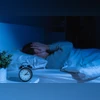 "From racing thoughts to restlessness, how to deal with sleep anxiety")


 Connect with us on WhatsApp