Will take up fertiliser export curbs by China as required, says MEA

India before the curbs used to import around 1-2 million tonnes of urea from China out of the total imports of around 6-7 million tonnes
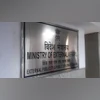
Ministry of External Affairs
India before the curbs used to import around 1-2 million tonnes of urea from China out of the total imports of around 6-7 million tonnes. (Pic: Wikimedia Commons)
Archis Mohan New Delhi
2 min read Last Updated : Jun 27 2025 | 12:05 AM IST
The Indian government will take up the matter of squeezing of fertiliser supplies by China and other trade and economic related issues as and when required, a senior official from the Ministry of External Affairs (MEA) said.
 
He was responding to questions on reports that China has stopped supplies of speciality fertilisers and also restricted exports of urea and Di-Ammonia Phosphate (DAP) to India since the last few months that has aggravated the crisis in key agricultural inputs in the aftermath of the West Asia crisis.
 
The MEA officials also said that on the critical question of stopping rare earth supplies to India from China, the Indian side is in constant touch with their Chinese counterparts to streamline the supplies.
 
Meanwhile, in a related development, reports said that China is looking to ease its ban on export of urea in the light of prices rising due to the West Asia crisis, but the restrictions for India might continue for some more time. 
 
India before the curbs used to import around 1-2 million tonnes of urea from China out of the total imports of around 6-7 million tonnes.
 
That apart, in FY25, it imported around 18 per cent DAP requirements from China, which a year before accounted for almost 39 per cent of the DAP imports.
 
According to Bloomberg, China might relax the limits on exports of the fertilizer from this month.
 
But Chinese companies will still be subject to quotas and, in some instances, minimum prices for shipments, the report said, quoting unnamed sources. Exports to India will still be restricted, the report added.
 
As recently as 2023, China was the world’s biggest exporter of urea, but a ban on overseas shipments was put in place last June to cut domestic prices to aid farmers and bolster food security. 

One subscription. Two world-class reads.

Already subscribed? Log in

Subscribe to read the full story →
*Subscribe to Business Standard digital and get complimentary access to The New York Times

Smart Quarterly

₹900

3 Months

₹300/Month

SAVE 25%

Smart Essential

₹2,700

1 Year

₹225/Month

SAVE 46%
*Complimentary New York Times access for the 2nd year will be given after 12 months

Super Saver

₹3,900

2 Years

₹162/Month

Subscribe

Renews automatically, cancel anytime

Here’s what’s included in our digital subscription plans

Exclusive premium stories online

  • Over 30 premium stories daily, handpicked by our editors

Complimentary Access to The New York Times

  • News, Games, Cooking, Audio, Wirecutter & The Athletic

Business Standard Epaper

  • Digital replica of our daily newspaper — with options to read, save, and share

Curated Newsletters

  • Insights on markets, finance, politics, tech, and more delivered to your inbox

Market Analysis & Investment Insights

  • In-depth market analysis & insights with access to The Smart Investor

Archives

  • Repository of articles and publications dating back to 1997

Ad-free Reading

  • Uninterrupted reading experience with no advertisements

Seamless Access Across All Devices

  • Access Business Standard across devices — mobile, tablet, or PC, via web or app

Topics :FertilizersChinaAgriculturefood security

Next Story



