Shares of
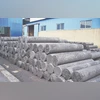
Graphite India rallied a whopping 16 per cent in early trade on Wednesday, September 9, amid hopes of improved global electrode pricing following the announcement of a 30 per cent price hike by global graphite electrode maker GrafTech International.
Today's rise pushed
Graphite India shares to a fresh 52-week high of ₹850. Against its last closing price of ₹734.45, the stock gained 15.73 per cent. As of 9.45 AM, it was trading 15.45 per cent higher at ₹847.95. A combined 14.8 million shares of the company had changed hands at the time of writing this report.
The stock trades below its all-time high of ₹1,126.40, scaled on August 14, 2018.
At present, Graphite India is the only listed pure-play entity in this space.
HEG is also a listed graphite manufacturer, but following the demerger of its Graphite Electrodes business, the new entity is expected to be listed on the exchanges next month.
GrafTech International, a day earlier, announced a minimum increase of 30 per cent in graphite electrode prices, effective immediately for all open commercial negotiations.
Graphite India share price outlook
Increased electrode prices would mean better margins and realisation for the company. According to the company's Q1 investor presentation, Graphite India has a manufacturing capacity of 80,000 tonnes per annum, making it the largest Indian producer of graphite electrodes.
Seema Srivastava, senior research analyst at SMC Global Securities, said that Graphite India and HEG are entering a potentially favourable phase for the graphite electrode industry, with GrafTech’s latest minimum 30 per cent price hike signalling improving global pricing discipline.
"This is significant because electrode prices have remained under pressure for several years, while producers continue to face elevated raw-material, energy and logistics costs. For Graphite India, the impact could be meaningful given its strong Q1 FY27 performance, with consolidated revenue rising 26.6 per cent YoY to ₹842 crore and PAT increasing 28.6 per cent to ₹171 crore," she opined.
Capacity utilisation has already reached 97%, meaning higher electrode realisations could translate into strong operating leverage and disproportionately improve EBITDA and earnings, although the benefit will depend on contract repricing and the extent to which input-cost inflation offsets the increase, according to the expert.
Virat Jagad, senior technical research analyst at Bonanza, said that Graphite India demonstrates a strong bullish breakout above horizontal resistance at ₹800 on massive volume expansion.
"Look for a retest entry near ₹800–₹810, keeping a stop loss below ₹770 to limit risk. Initial target sits at ₹920–₹950, with potential expansion toward ₹1,000. Price trades well above all key moving averages, supported by an RSI pushing past 70, confirming powerful momentum," he added.
ALSO READ: Stock Market LIVE: Sensex down 500 pts, Nifty tests 23,500; HDFC Bank at fresh 52-wk low Why is GrafTech International raising prices?
A press release by the company stated that the price increase reflects the continued need to restore graphite electrode pricing to sustainable levels that support ongoing investment in production capabilities and reliable long-term supply for customers. The current hike builds on the pricing action announced by GrafTech in March 2026, wherein graphite electrode prices were raised by a minimum of $600 to $1,200 per metric ton.
The company further said that graphite electrode prices have declined considerably over the last three years while certain raw material, energy, and logistics costs have increased.
"GrafTech has taken significant actions to reduce its cost structure and improve operational efficiency, including workforce reductions, capacity idling and, most recently, the announced planned closure of its graphite electrode manufacturing facility in Monterrey, Mexico. However, these actions alone are not sufficient to restore sustainable economics," GrafTech added.
Disclaimer: Views and outlook shared belong to the respective brokerages/analysts and are not endorsed by Business Standard. Readers' discretion is advised.

 "Graphite India shares skyrocket 16% to fresh 52-week high; here's why")


 Connect with us on WhatsApp