3 min read Last Updated : Jul 10 2025 | 10:57 PM IST
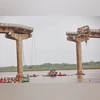
The mounting death toll following the collapse of the Gambhira Bridge in Gujarat is a warning signal for India’s massive infrastructure-construction agenda. It shows how infrastructure is often built in haste with minimum oversight on quality and then so poorly maintained that it becomes a safety hazard. The bridge was just 43 years old. But it had become dangerously dilapidated by 2022, with the pillars vibrating every time traffic passed over it. The poor condition of the bridge was flagged to the local Roads and Bridges (R&B) Department at least three years ago by panchayat and district officials. Worse, a testing report from the R&B in the same year also suggested that the bridge was unsafe, although the report was never made public. Instead, the bridge was opened again to the public after some minor tinkering.
But the tragedy is not an exception. Last year, the government admitted that 42 major and minor bridges collapsed in the past five years. And the Ministry of Road Transport and Highways said 21 bridges, 15 of which had been completed, collapsed on the National Highways between 2021 and 2024. The lesson here is that it is important not only to build infrastructure rapidly but also to ensure and maintain what already exists. It should be noted that bridges, if constructed properly and regularly maintained, should last 50-100 years. Famous examples are San Francisco’s Golden Gate Bridge, which was completed in 1937, and the Tower Bridge in London, which was completed in the late 19th century, both of which have undergone major retrofits and sustain far heavier daily traffic loads than the Gambhira Bridge did. Poorly constructed and maintained bridges are only one aspect of the massive public construction boom that state and central governments have undertaken in recent years as a key driver for economic growth. In 2025-26, for instance, the Union government plans to spend ₹11.2 trillion, or more than 3 per cent of gross domestic product, on infrastructure projects — including roads and highways, ports, airports, railways, and housing.
This spending entails a massive mobilisation of private contractors and engineering companies to undertake construction, implying in turn the critical need for ensuring close oversight and proper channels of accountability. The Pragati Maidan underpass in Delhi, built in time for the G20 summit in 2023, is a case in point. Built at a steep cost of over ₹700 crore, it was closed following waterlogging after a bout of heavy rain within months and has since been declared a threat because of design flaws and engineering deficiencies. The bigger risk here is that the culture of poor oversight and shoddy maintenance in public projects tends to transmit itself to the private sector, which is also increasingly undertaking public infrastructure projects. Leaks in the roof of the glittering Bengaluru Airport Terminal 2, which is 74 per cent private-owned, just 18 months after it opened, is one example. Last year, heavy rain caused a canopy in Delhi’s Terminal 1, also run by a private operator, to collapse, killing one person. A report later found serious flaws in the canopy design, workmanship, and maintenance. The loss of life, injuries, and wasted investment are costly lessons to learn.