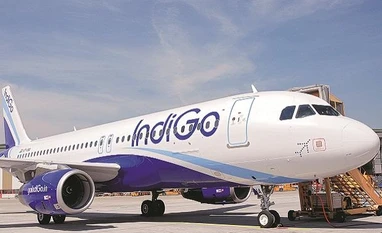
Low-cost Indian airline IndiGo has announced the largest ever single order for aeroplanes by an entity, saying that it will purchase 500 narrow-body jets from Europe’s Airbus. These planes, which are all likely to be from the Airbus A320neo family, add to the 830 A320s and A321s that IndiGo has already purchased or ordered from Airbus. Many of these previous orders are yet to be delivered, in fact, including almost 70 A321XLRs, which IndiGo will likely use for longer-haul international sectors. Earlier this year, Air India too put in a mammoth plane order for 470 aircraft, but, unlike IndiGo, the now Tata-owned airlines — Air India, Air India Express, Vistara, and AirAsia — have jets from multiple different makers of different configurations. IndiGo’s original business plan kept costs low and ensured efficient and timely operations partly by ensuring that its planes were interchangeable. It began by leasing 100 A320ceos, of which just over 20 are still operational; it also operates 166 of its second order of 320 A320neos. About 100 of its aircraft have been retired since 2020, but its steady deliveries from Airbus mean it has a fleet about double the size of Air India.
The implications of these large orders are twofold. First, when seen alongside the bankruptcy of Go First in May this year, there is strong concern that Indian domestic aviation will turn effectively into a duopoly. The other reasonably-sized player is SpiceJet, with the new entrant Akasa Air yet to make a mark, although it has placed an order for 76 Boeing 737s in total. An effective duopoly is not good news for passengers. The recent concern about the pricing of Delhi-Mumbai flights is only the beginning. The response should not, of course, be price controls but a further increase in infrastructure and options in the major hubs.
A deeper question that could be asked, however, is how India has come to be such a large purchaser of aeroplanes from abroad. To be in a situation where over 1,000 jets are on order means that India has demand for them but has not made much of an effort to explore options for domestic supply. Of course, aerospace is a complex and demanding industry. But, aside from Boeing and Airbus, both Brazil and China have effective and growing domestic aerospace production ecosystems. There should be a greater effort to understand why this has not happened in India. The hurdles for manufacturers in shifting production are, of course, high. This is why, in spite of efforts being made in the defence sector, actual deals for local production have been wanting.

 "Limits in the sky")












 Connect with us on WhatsApp