Home / Technology / Tech News / Samsung working on AI glasses with Google following Galaxy XR headset debut
Samsung working on AI glasses with Google following Galaxy XR headset debut
Following the launch of the Galaxy XR headset, Samsung's next step in extended reality includes wired and wireless XR glasses, alongside AI glasses running on Android XR with Gemini AI integration
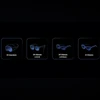
Upcoming Samsung products (Image: Screengrab from Samsung's livestream)
Samsung unveiled the Galaxy XR headset on October 21 and signalled that it plans to follow up with an array of XR devices and AI glasses. At the “Worlds Wide Open” event, the company highlighted that, in addition to the headset, it is developing both wired and wireless XR glasses as well as AI glasses. Samsung, in collaboration with Google, has developed the Android XR platform, which will serve as the operating system for these upcoming devices.
Upcoming Samsung XR devices
During the event, Samsung outlined plans for a full spectrum of XR devices — from immersive headsets to lightweight, all-day wearable AI glasses. The company confirmed that future products will include wired and wireless XR glasses, while AI glasses powered by Gemini AI are also in development. Samsung also showcased a brief collaboration with eyewear brands Warby Parker and Gentle Monster, which are assisting in the design of the upcoming wearables.
While the Galaxy XR headset is positioned to compete with Apple’s Vision Pro, Samsung’s forthcoming XR glasses are expected to rival Meta’s Ray-Ban Display glasses, launched last month. The Ray-Ban Display glasses feature a built-in lens display for navigation, summarising messages, and language translation.
In contrast, Samsung’s AI glasses will likely compete with products like Oakley Meta glasses, offering AI assistance without an integrated display. Google and Apple are also reportedly working on their own XR glasses.
According to 9to5Google, citing ETNews, Samsung’s XR smart glasses have been codenamed “Haean.” They will run on the Android XR platform, with development in partnership with Qualcomm. The glasses are expected to feature a built-in display for viewing information directly on the lenses, as well as integrated speakers for audio feedback. Gesture-based controls will likely replace physical buttons, relying on cameras and sensors to detect hand movements. Gemini AI will play a central role, providing navigation assistance and summarising or translating smartphone messages.
Reports from Android Authority indicate that these XR glasses may be powered by the Qualcomm Snapdragon XR2 Plus Gen 2 chipset, similar to the Galaxy XR headset. They could include a 12MP camera and a 155mAh battery.
Notably, earlier in May, Google demonstrated its XR glasses, which are also based on the Android XR platform. The company, during the demo, showcased a preview of messaging, navigation, real-time language translation through built-in lens displays, and photography.
Google said, “Equipped with a camera, microphones, and speakers, these glasses work in tandem with your phone, giving you access to your apps without ever having to reach in your pocket. An optional in-lens display privately provides helpful information right when you need it. Pairing these glasses with Gemini means they see and hear what you do, so they understand your context, remember what’s important to you, and can help you throughout your day.”
Samsung AI glasses: What to expect
As for the AI glasses, Samsung did not share any additional details other than that they will be connected to the Android XR ecosystem, packing Google's AI capabilities into an everyday, practical, and comfortable form factor.
The AI glasses from Samsung are not expected to feature a built-in display, like the XR glasses. They will most likely boast AI-assistance, like Oakley Meta glasses do.
Additionally, the partnership with Gentle Monster and Warby Parker is expected to play a key role in finalising the design language of Samsung’s upcoming AI glasses.

 "Samsung working on AI glasses with Google following Galaxy XR headset debut")

