


BSNL, MTNL users put on hold as voluntary retirement scheme hits service
Landlines down for four to six weeks is commonplace in Mumbai now, and so is the grievance about erratic broadband connection in the city
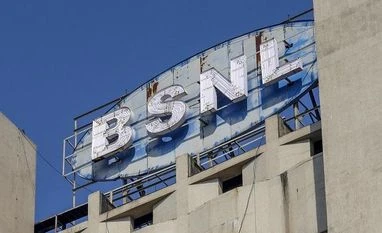 "BSNL")
premium
It now seems that the BSNL-MTNL asset monetisation programme could become a good part of that estimate
Vinod Desai, an Ahmedabad-based retired bank official, has been visiting the local Bharat Sanchar Nigam (BSNL) office every week for the last two months to complain about his landline connection going dead.
“Officials say the recent voluntary retirement scheme (VRS) has reduced the workforce and that is hampering the service quality,” points out Desai, who’s planning to shift to a private service provider for landline connection. Geo Verghese, a businessman from the same city, has found the internet speed of the BSNL broadband connection “unsatisfactory”. Desai, a BSNL loyalist, is not alone to have felt let down by the state-run telecom behemoth, which saw around 55 per cent of its staff leave after accepting a VRS package.
In Hyderabad, a harassed Suresh Kumar, another BSNL landline user, points out that the company is taking much longer than before to respond to service complaints. The blame is on the VRS. Several others across the country contacted by Business Standard narrated similar customer experience for BSNL connection — both landline and mobile.
If BSNL is a pan-Indian story of increasingly indifferent service, Mahanagar Telephone Nigam (MTNL), the other state-owned telco that operates only in Delhi and Mumbai, is no better.
“The residence landline has been off for some weeks now and complaints haven’t helped. Calls made to top MTNL executives, too, didn’t yield result. It seems the company does not have the manpower to attend to complaints,” said an angry Mumbaikar, who’s clearly given up.
Landlines down for four to six weeks is commonplace in Mumbai now, and so is the grievance about erratic broadband connection in the city. And, it doesn’t help when a customer lands up at the almost-deserted MTNL offices, whether in Mumbai or Delhi.
Around 75 per cent of the MTNL staff took the VRS offer and left recently. And, it doesn’t help when a customer lands up at the almost-deserted MTNL offices, whether in Mumbai or Delhi. Around 75 per cent of the MTNL staff took the VRS offer and left recently.
The official stand
But, the plush BSNL headquarters at downtown Janpath in New Delhi doesn’t quite capture the air of all-round despondency. P K Purwar, chairman & managing director, BSNL, said on Saturday that the existing employees have responded well to the challenges. The numbers are big: BSNL and MTNL have shed 92,869 at one go through the VRS. While BSNL let go of 78,569, MTNL’s offer was taken by 14,300.
Together, they have around 123 million subscribers (mobile and landline) in the country out of a total telecom user base of over 1.2 billion. In landline, these two hold over 60 per cent of the market share.
Admitting that BSNL was overstaffed, another senior BSNL executive said the overall impact of the VRS on the company’s operations was minimal. In fact, both MTNL and BSNL executives claimed it was business as usual.
Of the total number of BSNL employees who took VRS, a majority — 55,000 — made up for non-executive staff. In the case of MTNL too, the non-executive category formed the chunk in taking VRS.
“The retirement scheme was opted by employees of all levels at our company and there was no cadre-based differentiation while offering the scheme,” said Purwar. Age (above 50) was the only condition for accepting the application and there has been no rejection.
“Officials say the recent voluntary retirement scheme (VRS) has reduced the workforce and that is hampering the service quality,” points out Desai, who’s planning to shift to a private service provider for landline connection. Geo Verghese, a businessman from the same city, has found the internet speed of the BSNL broadband connection “unsatisfactory”. Desai, a BSNL loyalist, is not alone to have felt let down by the state-run telecom behemoth, which saw around 55 per cent of its staff leave after accepting a VRS package.
In Hyderabad, a harassed Suresh Kumar, another BSNL landline user, points out that the company is taking much longer than before to respond to service complaints. The blame is on the VRS. Several others across the country contacted by Business Standard narrated similar customer experience for BSNL connection — both landline and mobile.
If BSNL is a pan-Indian story of increasingly indifferent service, Mahanagar Telephone Nigam (MTNL), the other state-owned telco that operates only in Delhi and Mumbai, is no better.
“The residence landline has been off for some weeks now and complaints haven’t helped. Calls made to top MTNL executives, too, didn’t yield result. It seems the company does not have the manpower to attend to complaints,” said an angry Mumbaikar, who’s clearly given up.
Landlines down for four to six weeks is commonplace in Mumbai now, and so is the grievance about erratic broadband connection in the city. And, it doesn’t help when a customer lands up at the almost-deserted MTNL offices, whether in Mumbai or Delhi.
Around 75 per cent of the MTNL staff took the VRS offer and left recently. And, it doesn’t help when a customer lands up at the almost-deserted MTNL offices, whether in Mumbai or Delhi. Around 75 per cent of the MTNL staff took the VRS offer and left recently.
The official stand
But, the plush BSNL headquarters at downtown Janpath in New Delhi doesn’t quite capture the air of all-round despondency. P K Purwar, chairman & managing director, BSNL, said on Saturday that the existing employees have responded well to the challenges. The numbers are big: BSNL and MTNL have shed 92,869 at one go through the VRS. While BSNL let go of 78,569, MTNL’s offer was taken by 14,300.
Together, they have around 123 million subscribers (mobile and landline) in the country out of a total telecom user base of over 1.2 billion. In landline, these two hold over 60 per cent of the market share.
Admitting that BSNL was overstaffed, another senior BSNL executive said the overall impact of the VRS on the company’s operations was minimal. In fact, both MTNL and BSNL executives claimed it was business as usual.
Of the total number of BSNL employees who took VRS, a majority — 55,000 — made up for non-executive staff. In the case of MTNL too, the non-executive category formed the chunk in taking VRS.
“The retirement scheme was opted by employees of all levels at our company and there was no cadre-based differentiation while offering the scheme,” said Purwar. Age (above 50) was the only condition for accepting the application and there has been no rejection.
The properties, if sold, could bring in the cash to finance the VRS. The exercise will need between Rs 30,000 crore and Rs 40,000 crore
Topics : BSNL MTNL VRS package salary