However, the government’s push towards green vehicles has made automobile component makers cautious of their investment in current business, as they fear that the move would alter their businesses drastically.
Conventional fuel-based engines or internal combustion engines (ICE) requires several parts to work optimally. These parts include engine, transmission, piston, aluminium casting, cylinder blocks, cast iron etc. However, electric cars work without any dependency on most of these components and, therefore, demand for such parts would dry up once electric vehicles find traction in the country.
Auto Component Manufacturers Association of India (ACMA), a lobby group that represents auto parts makers, is conducting a study to assess the impact of such a transition on the industry. A report containing the outcome of the study will be submitted to the government in a month for further deliberations, a person with direct knowledge of the matter said to
LiveMint.
“The government and the industry should work together for a technology agnostic road map for electric mobility with a definite timeline so that the industry is not caught unawares,” said Vinnie Mehta, director general of ACMA to LiveMint.
According to a news report in LiveMint citing industry insiders, some of the component makers have already decided to restrain from making further investments in building capacity because of substantial increase in prices of hybrid vehicles after the introduction of the GST.


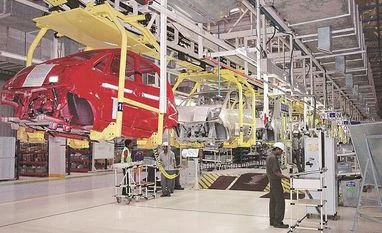 "Bumpy ride ahead for auto part makers as govt pushes for electric vehicles")