Tata Steel reported best-ever consolidated quarterly Ebitda in Q2. Do you expect it to sustain amid high energy prices?
On a consolidated basis, we are comfortable with what we have attained this quarter (at Rs 17,810 crore). Going ahead, too, we will see Ebitda in this range. High energy cost is more of a challenge in Europe but we are now moving out of long-term contracts, which were at lower prices. Due to this, some costs are getting absorbed. Second, the auto industry in Europe is still operating at a sub-optimal level due to semiconductor issues. We expect the situation to improve over the next few quarters and this is good for Tata Steel since it is a better mix for us from a product point of view. Third, the Section 232 issue is getting sorted out between the US and the EU (European Union). This will also give us access to the US market; so we can send about a million tonne (mt) to the US which we earlier had brought down to 0.5 mt post-duties set up. All these developments should help us take most of the costs.
The mines ministry is now allowing sale of captive ore in the open market. What is Tata Steel’s plan?
Currently, we are expanding our capacity at Kalinganagar and we need the ore in house. Our immediate focus will be on Kalinganagar requirements. However, there are pockets of opportunities and Tata steel long products division, when we acquired, came along with one mine. We have fines which are more than what we need. We produce a lot of those fines but there is a huge pile. We are waiting for permission from state governments and we are working on that. About 1 mt or 1.5 mt of ore fines will come to the open market from Tata Steel.
How do you see the domestic steel demand scenario in the remaining quarters of FY22?
Domestic demand is picking up and should return to pre-Covid levels in the coming quarters. We expect construction in commercial, residential, and project infrastructure to pick up. Already domestic consumption is at 102-103 mt this year which is 2-3 mt below pre-Covid levels, so we will be on track to be at the pre-Covid level by the end of the financial year.
Also, due to good monsoon, good harvest, and a lot of money flowing from the MGNREGA scheme, I am expecting strong demand in the rural market.
How do you see the domestic steel pricing scenario during the rest of FY22?
For the most part of last year, international prices were higher than domestic, which is usually not the case. That is getting corrected. Domestic prices have to be at a premium to international prices because unlike globally, the consumer does not wait for imports and material is available immediately. Hence domestic prices are higher than international, typically. At one time, international prices were Rs 3000-4000 per tonne higher than domestic, and thus many players exported steel. Now, we see the picture changing with domestic prices being Rs 2,000-3,000 per tonne higher than international prices.
Covid cases in China and Europe are on the rise and this poses a risk, you mentioned in the earnings call. How do you see this impacting the Tata Steel business?
So far, there is no impact but we are watching the situation. Currently, we are not selling in China. In Europe, cases are going up but no action of lockdown has been taken as yet. I don’t think anyone will go for a complete lockdown. I do not see the economic impact as much, but yes, sentiment may get impacted. In any case, I do not see us (the world) going one-and-a-half years back.


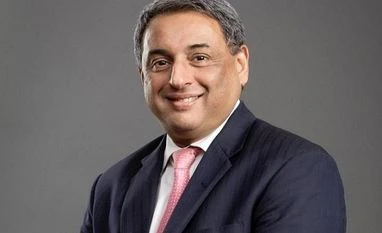 "T V Narendran, new CII president and CEO and MD of Tata Steel")