


Return on equity for Nifty firms slip to record low of 12.9% in January
Average RoE now at record low of 12.9% as compared to 13.6% a year ago
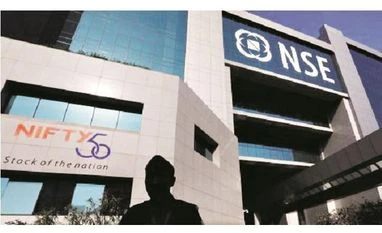 "Representative image")
premium
Representative image
The return on equity (RoE) ratio for top listed companies continues to deteriorate despite the uptick in earnings growth.
The average RoE for the top 50 listed firms, which are a part of the Nifty, has declined to a record low of 12.9 per cent, against 13.6 per cent last year.
The ratio was 15.5 per cent in January 2015 and 23.1 per cent in December 2007, on the eve of the big market correction of 2008.
In the last one year, the index companies’ underlying earnings per share has risen 3.5 per cent from Rs 401 in January 2018 to around Rs 415 now.
Over the same period, book value per share, or net worth, has risen 8.7 per cent — leading to a decline in their return ratio.
Analysts attribute this to lower-than-expected profit growth.
“Growth in corporate earnings remains below par and will require much faster growth than in the past, to lift the RoE. This is needed to justify the premium valuation that Indian equity enjoys over its global peers,” says Dhananjay Sinha, head of institutional equity Emkay Global Financial Services.
For example, Nifty is currently valued at 26 times its trailing 12-month earnings per share, making it second most expensive index after Nasdaq that is trading at 32.6x its trailing 12-month earnings.
RoE is calculated by dividing a firm’s net profits (in trailing 12 months) by its latest net worth. A higher ratio means the company is better in generating profits from its assets and vice-versa.
Companies with higher RoE command premium valuation over others.
The average RoE for the top 50 listed firms, which are a part of the Nifty, has declined to a record low of 12.9 per cent, against 13.6 per cent last year.
The ratio was 15.5 per cent in January 2015 and 23.1 per cent in December 2007, on the eve of the big market correction of 2008.
In the last one year, the index companies’ underlying earnings per share has risen 3.5 per cent from Rs 401 in January 2018 to around Rs 415 now.
Over the same period, book value per share, or net worth, has risen 8.7 per cent — leading to a decline in their return ratio.
Analysts attribute this to lower-than-expected profit growth.
“Growth in corporate earnings remains below par and will require much faster growth than in the past, to lift the RoE. This is needed to justify the premium valuation that Indian equity enjoys over its global peers,” says Dhananjay Sinha, head of institutional equity Emkay Global Financial Services.
For example, Nifty is currently valued at 26 times its trailing 12-month earnings per share, making it second most expensive index after Nasdaq that is trading at 32.6x its trailing 12-month earnings.
RoE is calculated by dividing a firm’s net profits (in trailing 12 months) by its latest net worth. A higher ratio means the company is better in generating profits from its assets and vice-versa.
Companies with higher RoE command premium valuation over others.