


Apollo 11 made us believe we could do anything, but it could hasten our end
This faith in technology has given us a false sense of security
 "50 years of moon landing")
premium
Photo: NASA
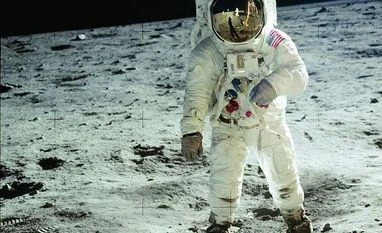
The Apollo project gave us the astonishing spectacle of a blue marble rising over the sterile surface of the moon. Of course, the moon was already known to be uninhabitable. But being shown something in high-resolution colour photography makes a stronger impression than being told it by the experts. Our planet appeared in the photos as a small, vulnerable object amid surroundings utterly inimical to life. They showed, in a way that no scientific report could, the importance of keeping the Earth habitable, boosting the environmental movement.
But the moon landings affected many people in precisely the opposite way. No other public project has been such a spectacular success. The aim was so simple and concrete that everyone could immediately grasp it. Kennedy’s commitment to “landing a man on the moon and returning him safely to the Earth” was made before the US had even put a man into orbit. Yet it was achieved just eight years later – barely half the time it takes nowadays to build a new railway across London. “Top that,” the Americans can easily say. Fifty years on, no one has.
Topics : NASA moon mission NASA moon mission