Noting that oil refiners are making huge investments in fuel upgradation to produce the required BS-VI grade fuels, the government said it had decided to "leapfrog directly from BS-IV to BS-VI grade by 1st April, 2020, skipping BS-V altogether". The BS-IV grade transportation fuels were rolled out across the country from April 1, 2017.
Early migration to BS-VI fuels in the National Capital of Delhi will help in saving thousands of precious lives by bringing down vehicular pollution significantly. pic.twitter.com/7r2lCCYeUP
— Dharmendra Pradhan (@dpradhanbjp)
November 15, 2017
The government also effectively enforced the order to remove old BS-II and earlier vintage vehicles from plying in the national capital, saying it would greatly reduce the contribution of vehicular pollution in the region. (
More details)
All you need to know about BS-VI fuel:
-
The Indian auto industry will fully migrate to the manufacturing of only BS VI compliant vehicles on a pan India basis from April 1, 2020.
-
Use of new technology will raise the cost for automobile manufacturers. This means that the cost of vehicles may increase.
According to SIAM President Abhay Firodia, the decision will give confidence to the auto industry about the availability of the fuel grade across the country from April 1, 2020. Delhi consumed 906,000 tons of petrol and 1.26 million tonnes of diesel in 2016-17.
Poor air quality is bad for India’s economy as it attracts fewer investments. Therefore, leapfrogging to BS VI can mean better opportunities for Indian businesses.
However, BS-VI compliant vehicles won't be able to operate on lower fuel grade which will be available outside of Delhi. Moreover, Mahindra & Mahindra Managing Director Pawan Goenka said it was unlikely that automobile manufacturers would be able to do it so soon.


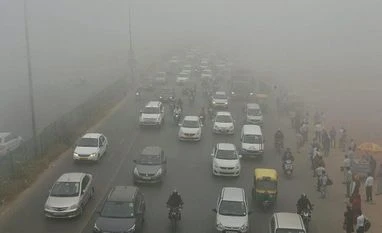 "File photo: Vehicles plying at a road amidst Delhi smog")

