


Easing power plants' fuel woes
A new scheme for ensuring coal for power stations, which lack firm fuel allocations, could hinder competition and private sector participation
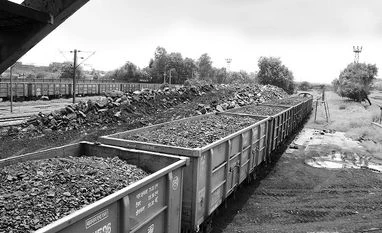 "Coal")
premium
Coal linkages have emerged as a key constraint for thermal power stations, in spite of ample availability of the fuel
On May 17, the Union Cabinet took two important decisions aimed at streamlining coal allocation to the power sector and making it more transparent and objective. How will these decisions play out and will they be able to address the needs of the fast-evolving sector? Our analysis suggests that while they address some near-term issues, they are unlikely to cater to the future needs of the sector.
The first decision was to approve the signing of fuel supply agreements (FSAs) by power plants holding letters of assurance (LoAs) and likely to be commissioned by March 31, 2022. This assures such plants of a firm supply of coal and will address the curious cases of many power plants not having a firm fuel supply in spite of “excess” coal availability. The reason for this paradoxical situation was that the extant policy only ensured FSAs for plants commissioned by March 31, 2015; plants that did not meet this deadline for whatever reason had to rely on other mechanisms, such as various kinds of e-auctions or imports, to gain access to coal.
The second decision was to approve a policy called Shakti (Scheme for Harnessing and Allocating Koyala Transparently in India) to allocate coal to power plants without LoAs. Who will Shakti be applicable to, and what will it mean to them? While firm numbers are hard to come by, estimates suggest that about 44 gigawatts (Gw) of coal-fired capacity that already has LoAs can now sign FSAs, and about 27 Gw of this may already be commissioned. Since this 44 Gw will fall under the old regime, Shakti is likely to be applicable to the roughly 50 Gw of capacity that is in the pipeline and expected to be commissioned by 2022, according to the draft National Electricity Plan (NEP) from the Central Electricity Authority.
The first decision was to approve the signing of fuel supply agreements (FSAs) by power plants holding letters of assurance (LoAs) and likely to be commissioned by March 31, 2022. This assures such plants of a firm supply of coal and will address the curious cases of many power plants not having a firm fuel supply in spite of “excess” coal availability. The reason for this paradoxical situation was that the extant policy only ensured FSAs for plants commissioned by March 31, 2015; plants that did not meet this deadline for whatever reason had to rely on other mechanisms, such as various kinds of e-auctions or imports, to gain access to coal.
The second decision was to approve a policy called Shakti (Scheme for Harnessing and Allocating Koyala Transparently in India) to allocate coal to power plants without LoAs. Who will Shakti be applicable to, and what will it mean to them? While firm numbers are hard to come by, estimates suggest that about 44 gigawatts (Gw) of coal-fired capacity that already has LoAs can now sign FSAs, and about 27 Gw of this may already be commissioned. Since this 44 Gw will fall under the old regime, Shakti is likely to be applicable to the roughly 50 Gw of capacity that is in the pipeline and expected to be commissioned by 2022, according to the draft National Electricity Plan (NEP) from the Central Electricity Authority.
Coal linkages have emerged as a key constraint for thermal power stations, in spite of ample availability of the fuel