Wednesday, December 31, 2025 | 08:13 PM ISTहिंदी में पढें
Business Standard
Notification Icon
userprofile IconSearch

Ready to meet liquidity requirements of the banking system, says RBI

The system liquidity is in ample surplus at this point
Reserve Bank of India
premium

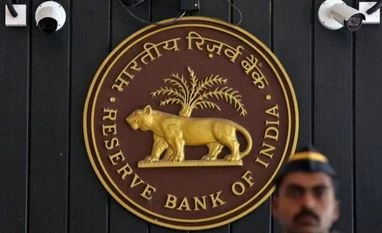
FILE PHOTO: A security personnel member stands guard at the entrance of the Reserve Bank of India (RBI) headquarters in Mumbai | Photo: Reuters

BS Web TeamAgencies
The Reserve Bank of India (RBI) on Thursday said that it stood ready to meet the liquidity requirements of the banking system through the various instruments available to it based on an assessment of the evolving market conditions.

In a statement released on its website on Thursday morning, the central bank spoke of the several proactive steps taken in the past few days. “The Reserve Bank has conducted/will be conducting Open Market Operation (OMO) in successive weeks on September 19 and September 27, 2018,” it said.


“As abundant caution, the Reserve Bank has also provided a liberal infusion of liquidity through term repos in addition to the usual provision via the Liquidity Adjustment Facility (LAF).”

According to the central bank, banks had availed of Rs 1.88 trillion through term repos from it as of September 26. As a result of its steps, the RBI said, the system liquidity was in “ample surplus”.

Speaking of the increase in the Facility to avail of Liquidity for Liquidity Coverage Ratio (FALLCR) — from the existing 11 per cent to 13 per cent — announced on Thursday and coming into effect from October 1, the RBI said it would take a carve-out from SLR available to banks to 15 per cent of their NDTL. “This should supplement the ability of individual banks to avail of liquidity, if required, from the repo markets against high-quality collateral. This, in turn, will help improve the distribution of liquidity in the financial system as a whole.”

Further, the central bank said it would stand ready to meet the durable liquidity requirements of the system going forward “through various available instruments depending on its dynamic assessment of the evolving liquidity and market conditions”.