Officials from the US and South Korea said further talks were needed to revise their free-trade pact, a negotiation straining ties between the allies as they grapple with Kim Jong Un’s growing nuclear-weapons threat.
The US presented proposals to improve auto exports and lift trade barriers during a meeting with South Korea counterparts Friday in Washington, Trade Representative Robert Lighthizer said in a statement. While both sides agreed to hold more talks soon, South Korea’s top negotiator, Yoo Myung-hee, said afterward that “the negotiation is not easy,” according to Yonhap News.
“We have much work to do to reach an agreement that serves the economic interests of the American people,” Lighthizer said. “We must achieve fair and reciprocal trade between our two nations.”
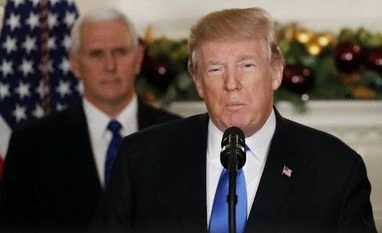
Donald Trump, who has abandoned or reopened trade talks with numerous nations since taking office last year, has blamed the five-year-old pact known as Korus for doubling America’s trade deficit with South Korea.
He has pressed ahead with efforts to revise the deal, even while seeking solidarity from President Moon Jae-in against North Korea’s nuclear provocations. The talks Friday represented the first round of Korus negotiations since the US in July invoked a clause in the accord that enables either side to seek amendments. South Korea “responded actively” to the US while proposing its own changes to investor-state dispute settlement rules and trade remedies, the country’s trade ministry said in a statement, without giving details.
So far, Trump hasn’t notified lawmakers that he plans to seek their approval under a law that gives the president authority to “fast track” trade deals through Congress.
Since Trump wasn’t seeking congressional approval, the US would probably propose narrow changes to the agreement, such as amendments to tariffs or the rules of origin that set content requirements for products, said Troy Stangarone, senior director of congressional affairs and trade at the Korea Economic Institute of America in Washington. Stangarone said trade in autos was likely to be a major focus of talks, given the U.S.’s $18.8 billion vehicle trade gap with South Korea.


 "Donald Trump")