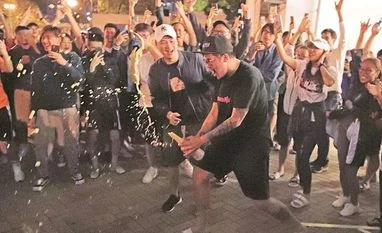
In the run-up to the citywide elections on Sunday, extreme clashes had broken out between riot police and anti-government protesters. The standoffs were stoked in part by the death of a protester after a fall, and the shooting of another by a policeman at point-blank range. Yet on Sunday, amid a rare lull, nearly three million people - about three-quarters of eligible voters - queued on a crisp, cerulean autumn day to exercise their democratic rights, with pro-democracy candidates ultimately winning nearly 400 of the 452 seats.
In the last election, four years ago, they won just 100.
“Most people think the extra one million voters came out to send a political message to the government, that they still support the protesters and they’re dissatisfied with the government,” said Chinese University political scientist Ma Ngok.
“The government and the pro-Beijing camp have always claimed they have public support,” Ma added. “But now … this is a big slap in the face because the public has showed their real position in record numbers.”
The likelihood of Beijing offering any new concessions in the short term remains slim, observers say, given the tough line taken so far.
Of the protesters’ key demands, the government has so far only responded to one: In September, it formally withdrew the extradition bill that sparked the first protests.


 "Hong Kong, Hong Kong elections,")