


Seeds of trouble
Labour shortage puts record rabi harvest at risk
 "Supply")
premium
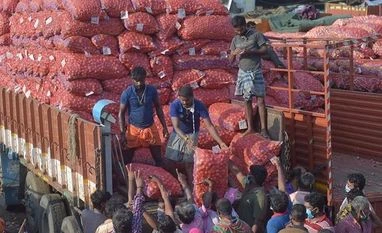
Labourers unload sacks filled with onions from a truck during a government-imposed nationwide lockdown in Chennai. PTI
Rabi output, an anticipated all-time high, seems to be staring at an uncertain future because of an acute shortage of labour and machines to harvest the crops and manage the produce in the fields and market yards. The government has, no doubt, lifted all curbs on agriculture-related activities and support services to facilitate unhindered harvesting, marketing, and the upkeep of the produce, but normalcy is still elusive. The farmers are not finding enough hands to do the fieldwork due to the outflow of migratory labour after the declaration of national shutdown. Official grain procurement operations, too, are in disarray due to the paucity of workers for cleaning, weighing, bag-filling, loading and unloading the stocks. On top of that, the northwestern region, where a sizeable part of the ripened and even harvested wheat and other crops is still lying in the fields, is facing a constant threat of unseasonal rain, which can spoil the produce. The fear, therefore, is that part of the output might go waste for want of timely gathering, marketing, and transportation to the storehouses or consumption points.