


Unscientific development
Joshimath subsidence is a warning sign
 "Joshimath")
premium
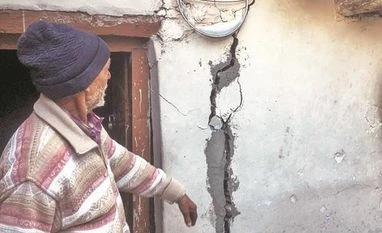
A number of studies highlighted that none of the recommendations made by various committees were followed in the development of the town. Photo: PTI
The subsidence of land in Joshimath, the gateway to several places of pilgrimage and skiing destination Auli, may have been triggered by the unscientifically planned developmental works in its vicinity, but its genesis lies in the indiscriminate anthropogenic activities inimical to the ecologically sensitive and geologically fragile Himalayan region. In fact, this incident needs to be viewed as a warning sign for such calamities to happen more frequently and at more places in future. Though almost the entire Himalayan terrain is prone to landslides, Uttarakhand, being located in the seismically most active Zone V, is particularly vulnerable because most of its territory is formed by weak and unstable rocks. Joshimath town itself is located on the debris generated by the landslide that occurred in the aftermath of the melting of a glacier in the 19th century. This fact was reported in the Himalayan Gazetteer way back in 1886, and it had also minced no words in stating that the place was unfit for large human habitation. A committee headed by M C Mishra, Garhwal commissioner in the 1960s, had warned about a possible sinking of Joshimath land in its report presented in 1976. Even in recent years, experts have been sounding alarm bells concerning unplanned expansion in Joshimath, proliferation of its population, and the rise in the number of tourists beyond its carrying capacity. None of these warnings has been heeded.