


US President Trump warns India of even higher tariffs over Russia oil
Trump warns of higher tariffs on Indian imports if New Delhi continues buying Russian oil, sharpening trade tensions amid stalled India-US deal talks
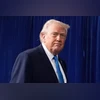 "Donald Trump, Trump")
Since August, the US has been imposing a 50 per cent tariff on several Indian imports | (Photo: PTI)
Listen to This Article
United States President Donald Trump has warned that Washington could raise further tariffs on Indian exports if New Delhi does not stop buying Russian oil, adding fresh uncertainty to efforts to strike a trade deal between the two countries.
“They (India) wanted to make me happy, basically. (Prime Minister Narendra) Modi is a very good man; he is a good guy. He knew I was not happy, and it was important to make me happy. They do trade and we can raise tariffs on them very quickly. It would be very bad for them,” Trump told reporters aboard Air Force One, referring to India’s recent reduction in purchases of Russian crude oil.
The US imposed a 50 per cent tariff on India, effective from August 27, covering nearly 55 categories of exports from New Delhi to Washington. Of this, 25 percentage points are directly linked to India’s continued purchase of Russian oil. India cut its crude imports from Russia by about 38 per cent in December against November, marking a three-year low.
Since February last year, India and the US have been engaged in talks aimed at securing a trade deal. However, India’s reluctance to fully halt purchases of Russian crude, along with disagreements over market access, have emerged as major sticking points in concluding the agreement, which is expected to address the burden of the 50 per cent tariff on Indian exporters.
Also Read

 "Donald Trump, Trump")
 "oil refineries")
 "Umar Khalid")
 "box, cargo")
 "India Russia, India-Russia flag")
Government officials in New Delhi said a trade deal would be difficult to materialise if the US does not remove the 25 per cent punitive tariff. Negotiations between the two sides have been under way for the past nine months, with no breakthrough in sight, despite more than half a dozen rounds of formal and informal, in-person discussions.
Trump’s remarks followed comments by US Senator Lindsey Graham, who was travelling with him on Air Force One, and said the tariffs imposed by Trump were the “chief reason” India is now buying significantly less Russian oil. Graham said the US was pushing legislation to impose steep secondary tariffs on countries that continue to buy Russian oil and gas if Moscow fails to agree to a ceasefire in Ukraine within 50 days.
“… so if you want to end this conflict, then put pressure on Putin’s customers. We sanctioned the two largest oil companies in Russia, which is the biggest pressure anyone put on Putin since the war started … we put a 25 per cent tariff on India for buying Russian oil,” Graham said.
Graham further claimed that Indian Ambassador to the US Vinay Kwatra informed him about New Delhi reducing its purchases of Russian oil and asked him to convey to Trump to “relieve the tariff” imposed on India. “I was at the Indian ambassador’s house about a month ago and all he wanted to talk about was how they’re buying less Russian oil -- would you tell the president to reduce tariffs. This stuff works,” he said.
Ajay Srivastava, a former trade ministry official and founder of the Delhi-based think-tank Global Trade Research Initiative (GTRI), said that after US sanctions imposed in October on Rosneft and Lukoil, major refiners including Reliance Industries and several state-run companies indicated they would halt purchases of Russian oil to avoid the risk of secondary sanctions. Imports, however, have not stopped altogether, with lower volumes still coming in, leaving India in what he described as a strategic grey zone.
“This approach may be weakening India’s position. If New Delhi plans to stop Russian oil imports, it should do so clearly and decisively. If it intends to continue buying from non-sanctioned Russian suppliers, it must say so openly and support the stance with data. And if it plans to buy even from sanctioned entities, that choice too must be stated plainly. What no longer works is ambiguity,” Srivastava said.
He added that India’s calculations were further complicated by the absence of any assurance that cutting Russian oil imports would ease US pressure. “Even a full stop could simply shift US demands to agriculture, dairy, digital trade and data governance,” he added.
More From This Section
 "Venezuela")
 "Corporate sector, india Inc")
 "Trade, Ship")
 "Commerce and Industry Minister Piyush Goyal")
 "StatsGuru, Data Stories, jobs, artificial intelligence")
Don't miss the most important news and views of the day. Get them on our Telegram channel
First Published: Jan 05 2026 | 5:01 PM IST