


China's nuclear power surge: 10 new reactors approved, $27 bn investment
China greenlights 10 new nuclear reactors with a $27 billion investment, driving rapid growth in clean energy. With 30 reactors under construction, it's on track to surpass the US by 2030
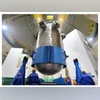 "China nuclear reactors")
The newly approved reactors are expected to cost around 200 billion yuan ($27 billion). (Photo: Bloomberg)
Listen to This Article
China’s State Council has given the green light to 10 new nuclear reactors, signalling continued strong support for atomic energy as a key pillar of the nation’s clean energy transition.
This marks the fourth consecutive year that China has authorised at least 10 new nuclear units. With 30 reactors currently under construction — almost half of the global total — the country is on track to surpass the United States as the world’s leading producer of nuclear energy before 2030, Bloomberg reported.
$27 bn investment in new projects
According to local media outlet The Paper, the newly approved reactors are expected to cost around 200 billion yuan ($27 billion). China General Nuclear Power Corp. secured approvals for four reactors to be installed at its Fangchenggang and Taishan facilities. Meanwhile, China National Nuclear Corp., State Power Investment Corp, and China Huaneng Group Co each received permissions for two reactors.
Following the announcement, shares of several Chinese nuclear companies saw gains on Monday, with CGN Power Co’s Hong Kong-listed stock climbing by 4.1 per cent, the news report said.
Nuclear capacity poised for rapid growth
China’s nuclear generation capacity is forecast to reach 65 gigawatts by the end of 2025, up from just under 60 gigawatts last year, according to the China Electricity Council. Looking further ahead, a report from the China Nuclear Energy Association released on Sunday projects that the country's nuclear capacity will hit 200 gigawatts by 2040, accounting for roughly 10 per cent of China’s total power output, Bloomberg stated.
Also Read

 "China Flag, China")
 "china Flag, China")
 "gold ETFs India, gold ETF outflows March 2025, gold ETF profit booking, gold ETF performance 2024, gold ETF inflows February, Association of Mutual Funds in India, gold investment trends, gold as safe haven, gold price rally, portfolio rebalancing In")
 "china, trade, chinese, trump tariff, us-china")
Cost control by China
Cost control will be crucial in order to achieve these ambitious targets. The estimated $2.7 billion cost for each of the new reactors highlights China’s cost advantages, especially in comparison to projects in the US and Europe that have suffered delays and major cost overruns. For instance, two reactors being built at the UK’s Hinkley Point C are now expected to cost a combined £47.9 billion ($63.7 billion).
China’s state-backed system plays a significant role in keeping costs down, providing developers with access to low-interest loans. Since most of a nuclear plant’s lifetime costs are front-loaded during construction, this financial support is a critical advantage.
Additionally, a continuous stream of new projects has helped mature the supply chain and allowed construction teams to refine their skills, lowering the risks of expensive delays, the news report said.
More From This Section
 "pakistan youtube channel")
 "Army, Soilder, Kathua")
 "India-Afghanistan flag, India Afghanistan flag")
 "Former diplomat Ajay Bisaria — India's last High Commissioner to Pakistan and subsequently envoy to Canada")
 "Wagah border, Attari Wagah international border")
Topics : China nuclear power BS Web Reports
Don't miss the most important news and views of the day. Get them on our Telegram channel
First Published: Apr 28 2025 | 12:45 PM IST