


Can Mounjaro transform obesity care? ₹50 crore sales in three months
Eli Lilly's Mounjaro has seen explosive growth since its March launch in India, with sales soaring to Rs 50 crore in three months
 "Eli Lilly's Mounjaro")
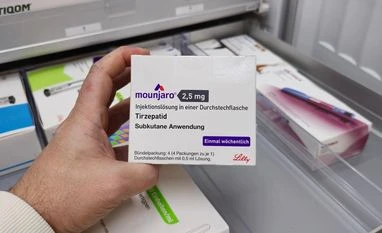
Mounjaro, Eli Lilly's weight-loss drug, witnessed a massive sales jump in India since March. (Photo: AdobeStock)
Listen to This Article
Mounjaro, Eli Lilly’s drug for treating type-2 diabetes and supporting obesity management, has seen rapid uptake in India, recording ₹50 crore in sales within just three months of its launch in March 2025, The Economic Times reported, citing the data from PharmaTrac.
According to PharmaTrac, an online database and analytical tool that provides insights into the Indian pharmaceutical market, monthly sales surged from ₹13 crore in May to ₹26 crore in June, coinciding with the India launch of rival drug Wegovy by Novo Nordisk.
In volume terms, Mounjaro’s sales rose more than sevenfold since launch, reaching 88,000 units in June alone.
What is Mounjaro, and why is it so much in news?
Mounjaro (generic name tirzepatide) is an injectable drug developed by US pharmaceutical giant Eli Lilly. Initially approved to treat type-2 diabetes, it’s gained global fame for its dramatic weight-loss effects, so much so that it’s now considered a game-changer in the fight against obesity.
Its mechanism works by mimicking two gut hormones, GLP-1 and GIP, which help regulate blood sugar and suppress appetite.
Also Read

 "Mosquito, Dengue")
 "medicines")
 "walking")
 "childbirth")

Why is Mounjaro’s growth so explosive?
A mix of factors is fuelling Mounjaro’s acceptance in India:
Weight-loss buzz: Global success stories and celebrity endorsements have turned it into a household name among those battling obesity.
Medical trust: It’s been approved by global regulators, including the US Food and Drug Administration (US FDA) for both diabetes and weight loss.
Obesity surge in India: Rising obesity rates and lifestyle diseases in urban India have created a massive market for safe, effective, doctor-prescribed weight-loss options.
How does Mounjaro compare with its rivals?
While Ozempic (generic name semaglutide) and Wegovy (also semaglutide), both made by Novo Nordisk, focus on GLP-1 action, Mounjaro adds an extra layer by also mimicking GIP. This “twin hormone” approach has shown superior weight-loss outcomes in clinical trials.
Who can use Mounjaro, and is it safe?
Mounjaro is prescribed for adults with type-2 diabetes or obesity-related complications, and it’s not meant for casual or cosmetic weight loss. Doctors typically recommend it for:
- Adults with type-2 diabetes
- Patients with BMI ≥30, or
- BMI ≥27 with other health conditions (like high blood pressure, cholesterol, among others)
Strict medical supervision is required during the treatment. Like all powerful drugs, it can have side effects, including nausea, vomiting, and potential thyroid issues.
For more health updates, follow #HealthWithBS
This content is for informational purposes only and is not a substitute for professional medical advice.
More From This Section
 "Shubhanshu Shukla")
 "stressed, overworked, workspace, office, mental health")
 "hospitals health hospital bed")
 "Ayushman Bharat van")
 "Healthy food, Healthy diet, diet, food, protein rich diet")
Topics : Health with BS BS Web Reports Health Ministry weight loss Eli Lilly obesity and health Obesity Obesity in India
Don't miss the most important news and views of the day. Get them on our Telegram channel
First Published: Jul 08 2025 | 11:56 AM IST