


Andhra to unveil AI-based surveillance system to tackle mosquito menace
Andhra Pradesh to launch AI-powered Smart Mosquito Surveillance System across 66 locations using drones, sensors and data-led targeting to combat vector outbreaks
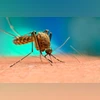 "Mosquito, Dengue")
By using drones for spraying larvicide, officials say the system will cover more ground in less time, with fewer chemicals and at a lower cost (Photo: Shutterstock)
Listen to This Article
Are you worried about the mosquito menace in your city during the monsoon season? Well, there may well be an artificial intelligence-powered solution to that too.
In a first-of-its-kind move, the Andhra Pradesh government is set to launch an innovative tech-based mosquito control programme using artificial intelligence. Called the Smart Mosquito Surveillance System (SMoSS), the system will help track and control mosquito populations more efficiently and safely.
The pilot project will kick off at 66 locations across six major municipal corporations, Visakhapatnam (16 spots), Vijayawada (28), Kakinada (4), Rajamahendravaram (5), Nellore (7), and Kurnool (6).
The initiative is being led by the Municipal Administration and Urban Development (MAUD) Department.
Also Read

 "quantum technology")
 "Online education (Photo: Bloomberg)")
 "Jagan Mohan Reddy, Jagan Mohan, Jagan")
 "N Chandrababu Naidu, Chandrababu, Naidu")
How it works
SMoSS uses AI-powered mosquito sensors, drones, and other smart devices to detect mosquito species, gender, population density, and weather conditions like temperature and humidity. When mosquito numbers cross safe limits in any area, automatic alerts will be sent, and civic teams will then act fast and carry out spraying or fogging operations.
“This will enable close monitoring and ensure prompt fumigation in the affected areas in a data-driven approach for effective control of mosquitoes instead of the present ‘blind spraying’ process that has little impact. The IoT sensors will monitor mosquito density and guide the targeted activity,” according to officials involved in the process, who recently reviewed the system’s capabilities.
By using drones for spraying larvicide, officials say the system will cover more ground in less time, with fewer chemicals and at a lower cost. The system also includes a real-time dashboard that streams live data to a central server, allowing continuous tracking and quick response.
“We will be outsourcing the operations completely to specialised agencies, and payment will be result-oriented by fixing operational accountability. Complaints, if any, from the citizens and field-level functionaries will be tracked via mobile applications (Vector Control and Puramitra),” said S Suresh Kumar, principal secretary of MAUD.
To further strengthen the response, hospitals across the state will send daily reports of cases like dengue, malaria, and chikungunya. Based on this, mosquito hotspots will be identified and targeted for action. Special plans are being prepared for fogging and larval treatment in those areas.
“The whole focus and approach of SMoSS is safeguarding public health. Prevention (of diseases) through containment (of vectors) will be the driving spirit,” officials said.
The Andhra Pradesh government has been consistently focusing on transforming the state into the first in the country to adopt AI in governance. The move also highlights the government's efforts to integrate AI into people's daily lives.
More From This Section
 "Apple iOS 26")
 "Old vs. New Gemini app")
 "Xiaomi 15 Ultra")
 "Samsung Galaxy Watch 7")
 "Samsung Galaxy Unpacked on July 9")
Don't miss the most important news and views of the day. Get them on our Telegram channel
First Published: Jul 07 2025 | 2:02 PM IST